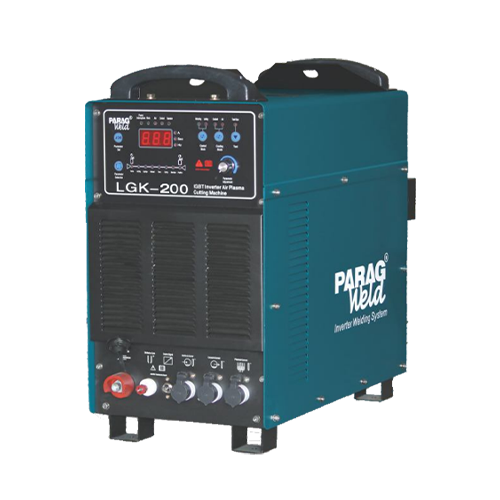
Air Plasma Cutting Machines
High-speed air plasma cutting systems delivering clean edge preparation for weld beveling and structural plate cutting.
View DetailsGlobal B2B Procurement & Technical Masterclass
An authoritative engineering evaluation of MIG welding machine accessories, consumable selection metrics, metallurgical standards, and procurement trends designed for plant directors, procurement managers, and international welding distributors.
In modern high-duty-cycle manufacturing environments—spanning automated automotive production, heavy structural steel fabrication, pressure vessel manufacturing, and shipbuilding—the selection of MIG Welding Machine Accessories represents one of the most critical levers for controlling operational costs and maximizing Overall Equipment Effectiveness (OEE). While power sources like 500-Amp MIG welders command significant capital expenditure, it is the front-end MIG torch consumables, wire feed mechanisms, and auxiliary cooling apparatuses that directly govern arc stability, micro-arcing frequency, wire feeding friction, and unexpected line stoppages.
Global procurement intent among industrial buyers has shifted away from simply comparing unit price to evaluating the total thermal duty cycle rating, copper alloy purity, CNC machining tolerances, and consumable longevity. A sub-standard contact tip or poorly shielded gas nozzle can induce electrical resistance spikes, wire burnback, porous weld beads, and excessive spatter, incurring rework costs that dwarf any upfront savings on low-grade consumables. Parag Electrodes Agencies Pvt. Ltd. (Paragweld), established in 1980 by Mr. Parag Mashruwala in GIDC Vatva, Ahmedabad, India, manufactures industrial-grade MIG welding accessories engineered to withstand extreme thermal stresses and aggressive continuous-duty operation.

Factory Direct Expertise Since 1980
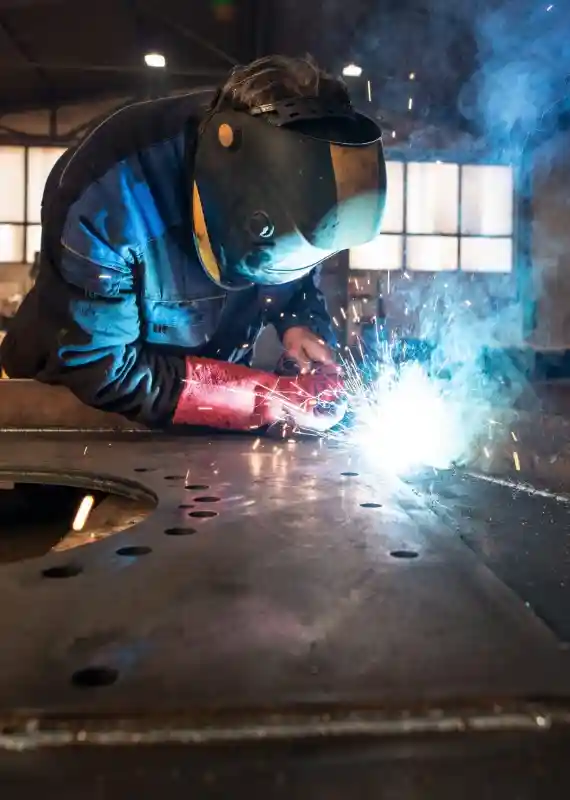
For over 44 years, Parag Electrodes Agencies Pvt. Ltd. has built an international reputation rooted in technical authority, material purity, and rigorous quality assurance. Under the founding vision of Mr. Parag Mashruwala, Paragweld expanded from a specialized electrode manufacturer into a comprehensive global exporter of advanced MIG, TIG, ARC, and Submerged ARC equipment and consumable accessories.
Operating out of the GIDC Vatva industrial hub in Ahmedabad, Gujarat, India, our state-of-the-art facility integrates high-precision CNC Swiss-lathe machining, spectrographic alloy testing, automated thread inspection, and strict pneumatic leak testing for water-cooled torch assemblies. Serving more than 5,000 industrial clients across 30+ countries, Paragweld adheres to international quality standards, offering OEM/ODM customization for high-volume B2B distributors and enterprise end-users.
A comprehensive MIG welding setup relies on a perfectly matched system of front-end torch consumables, wire feeding components, and gas management hardware. Paragweld’s product catalog encompasses every key accessory required for flawless metal transfer and arc stability.
The MIG welding torch is the primary interface between the operator (or robot arm) and the workpiece. Paragweld manufactures heavy-duty air-cooled torches (MIG-24KD, MIG-36KD, MIG-501D) and high-flow water-cooled torches engineered for severe industrial duty cycles.
The contact tip transfers electrical energy directly to the continuously fed solid or flux-cored welding wire. Microscopic variations in internal bore smoothness, concentricity, and wall thickness significantly alter wire feeding friction and electrical transfer resistance.
Maintaining laminar gas flow around the arc column is essential for preventing atmospheric contamination (nitrogen porosity and oxygen embrittlement). Paragweld gas nozzles are CNC machined from high-conductivity brass or heavy copper alloys with optional chrome coating.
Smooth, uninhibited wire feeding is vital for bead consistency. Paragweld produces precision steel wire feed liners (insulated spiral steel for hard steel wires) and high-density PTFE / Graphited Teflon liners for soft aluminum or bronze wires.
Our dual-drive and four-roll wire feeder assemblies utilize heat-treated, high-carbon steel drive rollers machined with laser-calibrated groove profiles:
For high-amperage continuous MIG welding (over 350A at 100% duty cycle), air cooling is insufficient to dissipate heat from the torch body. Paragweld’s heavy-duty industrial water cooling units feature stainless steel impellers, high-pressure radiators, and heat exchangers designed to maintain coolant temperatures below 55°C under continuous operational loading.
| Accessory Type | Standard Commercial Grade | Paragweld Industrial Heavy-Duty Grade | Operational Benefit |
|---|---|---|---|
| Contact Tip Material | Standard E-Cu (Softens at 200°C) | Forged CuCrZr / Silver-Plated Alloy (500°C) | 3.5x longer operational life; reduced burnback risk |
| Gas Nozzle Wall Thickness | 1.0 mm to 1.2 mm Stamped Brass | 2.0 mm to 2.5 mm Machined Heavy Copper | Resists heat distortion and spatter adhesion |
| Wire Liner Construction | Generic Uncoated Steel Coil | Insulated High-Carbon Spring Steel / PTFE | Reduces feeding friction force by up to 40% |
| MIG Torch Insulation | Basic PVC Sleeving | Cross-linked Silicone Rubber & Fiber Glass | Prevents internal arc flashing and thermal breakdown |
| Wire Drive Roller Hardness | 50–52 HRC Carbon Steel | 60–62 HRC Heat-Treated Tool Steel | Zero groove wear over millions of wire feed revolutions |
As global manufacturing shifts toward Industry 4.0 automation, smart factories, and stringent environmental regulations, the technology embedded within MIG welding machine accessories is undergoing rapid transformation. B2B procurement leaders must anticipate these long-term trends when selecting OEM accessory partners:
Future high-end MIG torch contact tips and gas diffusers are integrating miniature thermistors and piezo-resistive pressure sensors connected to the welding machine’s digital interface. These smart consumables monitor internal torch temperature and shielding gas back-pressure in real time, alerting automated systems to replace worn contact tips before catastrophic wire burnback occurs.
To eliminate manual torch cleaning downtime in robotic welding cells, accessories are increasingly treated with specialized nano-ceramic and nickel-chrome anti-spatter coatings. These smooth surface treatments prevent molten metal droplets from adhering to nozzle rims, allowing continuous robotic welding cycles without frequent automated nozzle-cleaning (reamer) interruptions.
With lightweighting trends sweeping automotive and aerospace sectors, the consumption of aluminum, magnesium, and thin-gauge stainless wires is surging. Standard push-style wire feeders suffer from wire bird-nesting over cable lengths exceeding 3 meters. Integrated push-pull torch accessories—featuring microscopic DC servo motors housed inside the torch handle—are becoming standard procurement requests for high-precision fabrication plants.
Global environmental mandates are compelling manufacturers to adopt closed-loop recycling programs for worn copper consumables. Paragweld supports eco-conscious supply chains by utilizing 100% recyclable high-purity copper scrap and producing non-toxic, solvent-free, water-based anti-spatter gels and sprays that release zero volatile organic compounds (VOCs) during welding.
Global buyers, supply chain executives, and technical managers frequently pose complex technical queries when evaluating MIG welding machine accessories. Below are authoritative answers formulated by Paragweld's senior metallurgical and welding application engineering team.
The choice between E-Cu (Electrolytic Copper) and CuCrZr (Chromium Zirconium Copper) depends on operational amperage, thermal duty cycle, and material budget. E-Cu offers excellent electrical conductivity (~98% IACS) but loses structural hardness above 200°C, causing the wire exit orifice to deform ("keyhole"), leading to erratic arc wandering. CuCrZr maintains high mechanical hardness and wear resistance at operating temperatures up to 500°C. For continuous automated welding or heavy manual welding above 250 Amperes, CuCrZr yields up to 4 times longer service life, significantly lowering total cost per meter of weld metal deposited.
Wire burnback occurs when the welding wire fuses to the inside of the contact tip bore. Primary accessory-related causes include: 1) Excessive electrical resistance due to oxidized or undersized tip bores, 2) High wire feed liner friction causing mechanical wire hesitations, 3) Loose contact tip threads creating micro-arcing inside the tip holder diffuser, and 4) Inconsistent drive roller pressure. Installing Paragweld high-concentricity CuCrZr tips, low-friction insulated liners, and heavy-brass gas diffusers eliminates electrical fluctuations and mechanical binding, virtually eliminating burnback events.
An facility should upgrade to water-cooled MIG torch systems when operating continuously at or above 300 to 350 Amperes, or when executing 100% duty cycle robotic welding. Air-cooled torches rely solely on ambient air circulation and shielding gas flow for heat dissipation, making them bulky at higher amperage ratings. Water-cooled systems recirculate liquid coolant directly around the torch swan neck and gas nozzle seat, keeping torch temperature low, extending consumable longevity, and allowing lighter, more flexible torch leads that reduce operator strain.
Gas nozzle orifice size and taper profile directly dictate shielding gas flow velocity and coverage pattern. Conical nozzles concentrate shielding gas tightly around the wire electrode, ideal for manual fillet welding and tight joints, but suffer faster spatter bridge accumulation. Cylindrical (straight-bore) nozzles provide a wider, lower-velocity laminar gas envelope essential for high-amperage deep-penetration welds on heavy plate. Tapered nozzles offer maximum joint accessibility but require higher gas flow rates to maintain atmosphere purity.
Using improper liner materials causes wire contamination, unstable feeding friction, and premature component destruction. High-carbon spiral steel liners are designed for rigid steel wires (mild steel, stainless steel). However, if soft aluminum wire is fed through a steel spiral liner, the steel coils act like a rasp, shaving fine aluminum particles that clog the liner interior and cause wire bird-nesting at the feeder drive rolls. Aluminum and copper alloy wires require smooth, low-coefficient Teflon (PTFE) or Graphited Teflon liners to ensure uninhibited wire travel.
Paragweld provides complete OEM/ODM manufacturing services for international B2B distributors, brand owners, and large industrial accounts. We offer custom laser-engraving on contact tips, gas nozzles, and torch bodies, specialized color-molded torch handles, custom cable lengths, and tailored retail or industrial packaging with customer branding, barcode labeling, and certified material test certificates (MTC).
Every batch of Paragweld MIG accessories undergoes rigorous multi-stage quality control. Raw copper and brass stocks are analyzed via optical emission spectroscopy to verify chemical composition. Contact tip bores are checked with precision pin gauges for micro-inch concentricity and surface finish. Finished torch cable assemblies undergo 100% high-voltage insulation breakdown tests and pneumatic pressure decay leak testing to guarantee zero gas or coolant leakage prior to export packing.
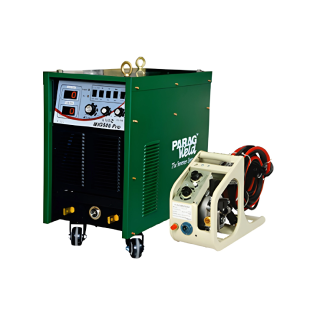
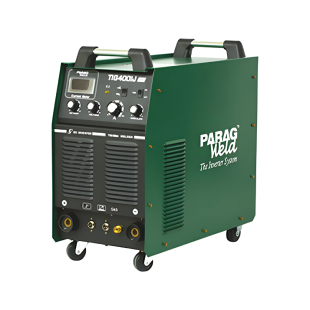
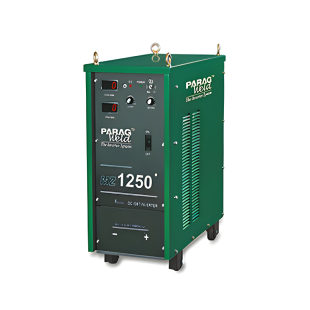
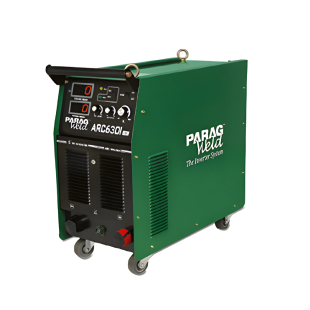
Paragweld’s expertise extends beyond MIG accessories to complete industrial welding and cutting machinery setups. Integrating Paragweld consumables with our high-power industrial equipment guarantees optimal system performance across all fabrication sectors.
High-speed air plasma cutting systems delivering clean edge preparation for weld beveling and structural plate cutting.
View Details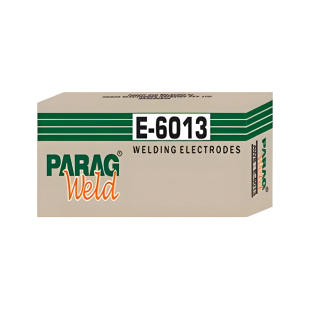
Premium shielded metal arc welding electrodes and solid MIG welding wires formulated for high deposition rates and superior mechanical strength.
View Details
Tailored torch lengths, specialized gas diffusors, and heavy-duty water cooling loops designed to your exact facility specifications.
Inquire Now