Knowledge Hub & Insights
Knowledge Hub & Insights
Engineered for extreme Australian field conditions. Compliant with AS/NZS 4130, AS/NZS 2033, and ISO 12176-1 standards for high-integrity municipal, mining, and structural applications.
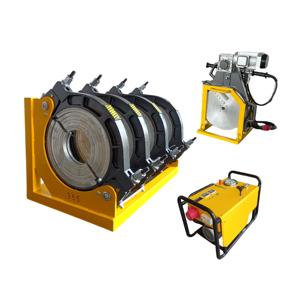
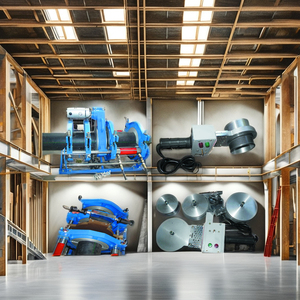
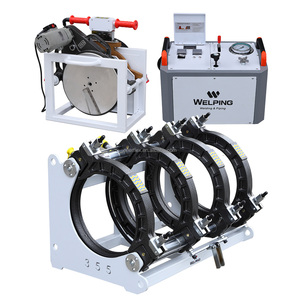
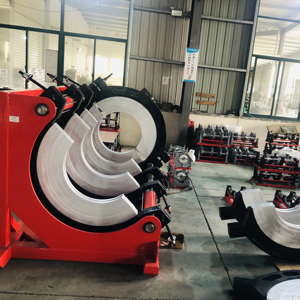
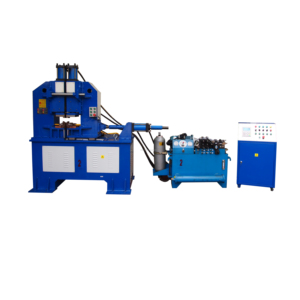
The Sydney civil infrastructure, mining, and industrial fabrication sectors demand uncompromised joint integrity. As New South Wales expands its major utility networks—including the Western Sydney Aerotropolis pipeline expansions, Sydney Metro water diversion lines, and Hunter Valley mine dewatering networks—the reliance on heavy-duty High-Density Polyethylene (HDPE PE100) and industrial resistance butt welding machinery has reached unprecedented heights.
Selecting the right butt welder manufacturer and supplier requires a deep understanding of local engineering codes (specifically AS/NZS 4130 for polyethylene pipe pressure applications and AS/NZS 2033 for installation compliance). A butt fusion joint must exhibit mechanical strength equal to or greater than the pipe wall itself. Achieving this seamless molecular bond depends directly on the hydraulic clamping rigidity, thermal plate temperature stability, and facing tool accuracy of the welding equipment used on site.
Contractors operating across the Sydney Basin and regional NSW encounter harsh ambient fluctuations—from 45°C summer heatwaves in Western Sydney to near-freezing winter mornings in the Blue Mountains. High-gain butt welding systems must incorporate critical technical features to offset these site variables:
How specialized butt welding machines empower diverse industrial sectors across New South Wales.
Large-diameter hydraulic units (like the CH-H1200) fuse trunk mains for Sydney Water projects, replacing legacy ductile iron with corrosion-proof, continuous PE100 piping systems.
Heavy-duty mobile butt welders deploy into Hunter Valley coal operations to join thick-walled SDR9 slurry lines designed to withstand abrasive mineral transit under extreme pressures.
Used at Port Botany and Newcastle Harbor for subsea intake lines, seawater desalination plants, and chemical-resistant PVDF piping in marine industrial precincts.
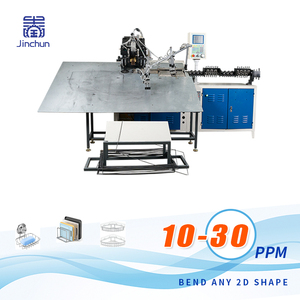
4-Axis CNC wire butt welders and UN-200K flash butt welders serve Sydney’s heavy fabrication yards, producing welded wire frames, reinforcement mesh, and structural rings.
Compare mechanical configurations against your project scale and site power limitations.
| Category / Model Type | Diameter Range | Primary Drive System | Power Requirements | Recommended NSW Application |
|---|---|---|---|---|
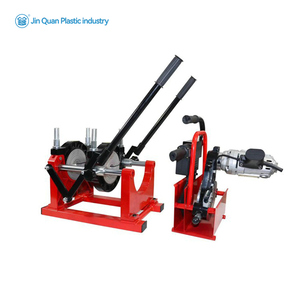
| Manual 2-Rings Series | 50mm – 200mm | Hand-Crank Mechanical Screw | 1.5kW – 2.2kW (110V/220V) | Urban utility plumbing, gas service repairs, tight trench installations. |
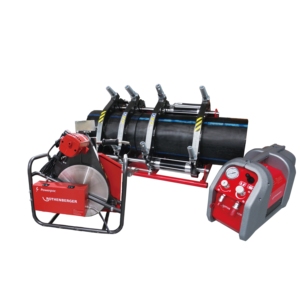
| Hydraulic Medium Series (160-355mm) | 63mm – 355mm | Electro-Hydraulic Station (6.3MPa) | 3.5kW – 9.0kW (220V Single-Phase) | Subdivision water reticulation, agricultural irrigation, civil storm lines. |
| CH-H1200 Large Hydraulic | 630mm – 1200mm | High-Duty Proportional Hydraulic | 22kW – 35kW (415V 3-Phase) | Sydney Water trunk mains, regional dams, mining slurry transport systems. |
| 2D CNC Wire & Frame Welder | 2mm – 6mm (Wire) | 4-Axis Servo + Pneumatic Resistance | 15KVA – 35KVA (415V 3-Phase) | Automotive component manufacturing, wire mesh fabrication, structural frames. |
| UN-200K Flash Butt Welder | Solid Bar / Rings | Hydraulic Upset & Flash Mechanism | 200KVA Transformer (415V Heavy Duty) | Rail jointing, heavy forging plants, industrial wheel rim production. |
The Australian pipe joining industry is undergoing rapid technological modernization driven by environmental regulations and infrastructure sustainability goals:
Asset owners across New South Wales no longer accept unverified manual butt joints on major infrastructure. Modern procurement specs mandate butt welders equipped with automated control units that measure ambient temperature, hydraulic pressure drop, heat soak duration, and cooling times. Joint parameters are logged digitally via GPS and exported to cloud databases for lifetime asset traceability.
To withstand higher operating pressures and harsh soil settlement in Western Sydney, civil designs increasingly specify high-density PE100-RC (Resistance to Crack) materials. Joining these extra-thick pipes demands butt welders with high clamping force and precise hydraulic oil temperature regulation to maintain constant upset pressure without squeezing out excess molten material.
With many NSW pipeline jobs located on remote easements far from grid power, modern butt welders are engineered with low-THD (Total Harmonic Distortion) electrical components. This enables stable operation when powered by standard diesel field generators without risking control board burnouts caused by voltage spikes.
Expert answers regarding technical standards, power compatibility, and machine operation in New South Wales.
Yes. Our butt fusion machinery is designed and calibrated to comply with AS/NZS 2033 installation guidelines and ISO 12176-1 equipment specifications. The heating plate temperature stability, facing planers, and hydraulic pressure units meet all strict parameters required for welding PE100 pressure pipes manufactured to AS/NZS 4130.
Compact manual and hydraulic machines up to 355mm operate on standard single-phase 220V/240V 50Hz power, making them easily portable with site diesel generators (min 8kVA – 12kVA recommended). Large-capacity units such as the CH-H1200 and flash butt welders require 415V 3-phase industrial power supply.
Drag pressure ($P_{drag}$) is the minimum hydraulic pressure required to overcome sliding friction of the pipe string on the ground. Our hydraulic power stations feature high-sensitivity needle valves and digital pressure gauges. Operators simple slide the clamp forward with the pipe loaded, read the gauge value before contact, and add this figure to the theoretical fusion pressure calculated from the wall thickness table.
Absolutely. While HDPE is the most common material, our Teflon-coated heating plates feature digital micro-controllers adjustable up to 300°C. This wide thermal window allows precise jointing of industrial thermoplastics including Polypropylene (PP-R, PP-H) and Polyvinylidene Fluoride (PVDF) used in Botany Bay chemical precincts.
Planer blades are double-sided HSS (High-Speed Steel) and should be rotated or sharpened after approximately 1,500–2,000 cuts depending on pipe diameter and cleanliness. Teflon heating plate coatings must be cleaned exclusively with isopropyl alcohol and soft cotton clothes; with proper care, plates last 2+ years before requiring re-coating.
We provide streamlined global export direct to Port Botany, Sydney, with full customs documentation, timber heat-treatment certification (ISPM 15 compliant crates), and door-to-door freight options to local dispatch depots across Greater Sydney, Newcastle, and Wollongong.
Yes. Every hydraulic machine package includes a full set of cast aluminum reduction inserts (clamping rings) covering all standardized millimeter sizes within the machine’s rated range, allowing quick adaptation from 160mm down to 63mm in minutes.
All machines carry a comprehensive 12-month manufacturer warranty. We supply full technical manuals, calibration certificates, video support, and fast-track spare part shipping (hydraulic seals, switches, sensors, heating elements) directly to Sydney addresses to minimize site downtime.
Need customized hydraulic configurations, data-logging options, or immediate wholesale pricing for your fleet? Speak directly with our senior equipment engineering team today.