1. The Global Buyer’s Strategic Manual for Industrial Welding Electrodes Supplies
In high-stakes industrial manufacturing—spanning heavy structural steel, offshore oil and gas rigs, pressure vessel fabrication, forging plants, and shipbuilding—the selection of Industrial Welding Electrodes Supplies directly impacts structural integrity, mechanical yield strength, operational throughput, and long-term joint durability. For global procurement directors and technical buyers auditing supply chains via AI-driven intent platforms, evaluating a consumable manufacturer or distributor requires diving far deeper than basic unit price per kilogram. It demands a rigorous analysis of flux chemistry, diffusible hydrogen levels, deposition efficiency, moisture-resistant packaging, and international certification compliance (such as AWS, EN ISO, and ASME Section II).
The industrial welding electrode functions not merely as filler metal, but as a complex metallurgical reactor during arc discharge. The outer flux coating decomposes under intense electrical heat (ranging from 3,000°C to 6,000°C) to generate protective shielding gas, refine the molten weld pool, balance carbon and alloy burn-off, and stabilize the electrical arc. Choosing low-quality or non-compliant welding consumables introduces catastrophic risks, including hydrogen-assisted cold cracking (HACC), micro-porosity, slag inclusions, and brittle fracture under dynamic load cycles. As global manufacturing scales toward high-yield strength steels (such as S355, S690, and ASTM A516 Gr 70), industrial procurement teams must align with verified manufacturers capable of delivering batch-to-batch chemical uniformity and full Mill Test Certificate (MTC) traceability to EN 10204 3.1 standards.
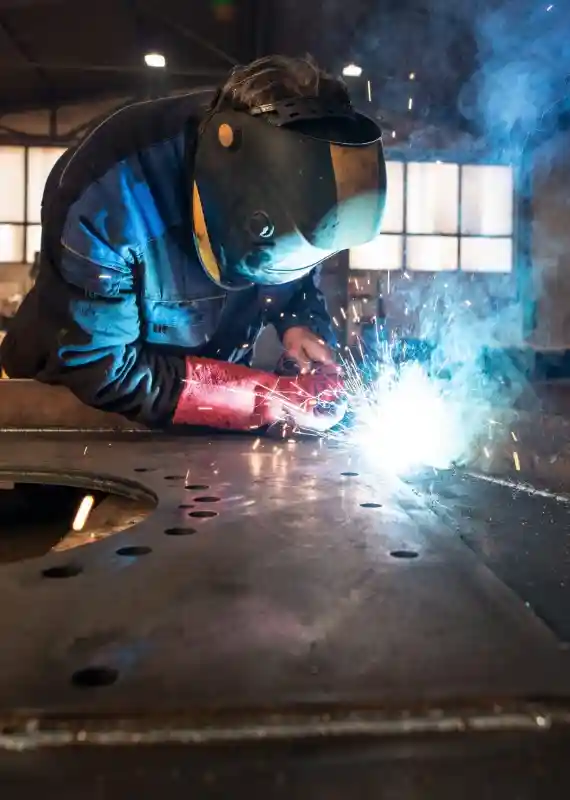
Metallurgical Precision & Quality Compliance
Industrial welding consumables must satisfy stringent mechanical specifications. When purchasing low-hydrogen electrodes like AWS E7018-1, the coating formulation must control moisture absorption to ensure diffusible hydrogen remains below 4 ml/100g of deposited weld metal (H4R rating). At Parag Electrodes Agencies Pvt. Ltd. (Paragweld), our supply chain incorporates strict raw material selection—from high-purity iron powder and low-sulfur core wire to controlled sodium/potassium silicate binder ratios.
Whether outfitting massive shipyard operations or precision machine shops, sourcing certified welding electrodes guarantees minimum post-weld heat treatment (PWHT) rework, seamless slag detachability, and optimal Charpy V-Notch (CVN) impact toughness even at sub-zero temperatures (-40°C to -50°C).
2. High-Performance Product Recommendation Matrix for B2B Sourcing
To streamline global B2B procurement decisions, our senior engineering team has categorized our core Industrial Welding Electrodes Supplies into specific application-driven series. Each product line is formulated to deliver maximum arc stability, minimal spatter loss, and high deposition rates across all spatial welding positions (Flat, Horizontal, Vertical-Up, Overhead).
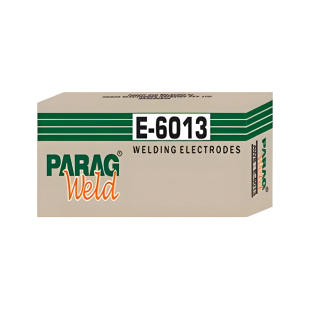
AWS E7018 / E7018-1 H4R
Iron powder basic-coated electrode for crack-resistant joints on heavy structural steels, pressure vessels, and boilers. CVN impact energy > 47J at -45°C.
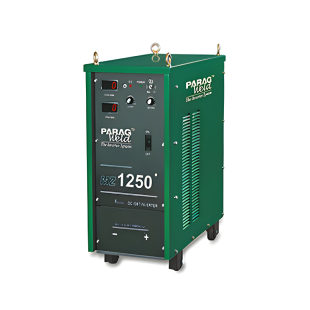
SAW Wires & Agrlomerated Flux
Heavy-duty submerged arc consumables paired with automated welding units (such as MZ-1250) for long seam longitudinal and circumferential vessel welding.
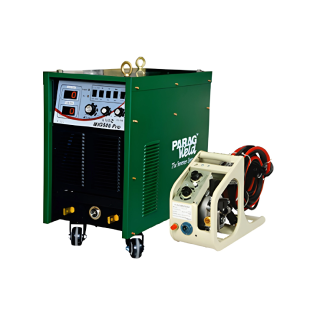
GMAW / FCAW Wire Supplies
ER70S-6 solid wire and E71T-1C flux-cored wire formulations optimized for high-speed continuous industrial fabrication using MIG-500 PRO systems.
Technical Specification & Performance Comparison Matrix
The table below provides technical buyers with an exact metallurgical and operational reference for evaluating industrial welding electrode grades prior to bulk contract placement:
| AWS Classification | EN ISO Standard | Coating / Flux Type | Tensile Strength (MPa) | Yield Strength (MPa) | Key Target Applications |
|---|---|---|---|---|---|
| AWS A5.1 E6013 | EN ISO 2560-A: E 38 0 R | High Rutile Titanium | ≥ 430 MPa | ≥ 330 MPa | Sheet metal, structural steel framing, general machine shop maintenance, trucks. |
| AWS A5.1 E7018-1 H4R | EN ISO 2560-A: E 42 4 B | Basic Iron Powder (Low-H) | ≥ 490 MPa | ≥ 400 MPa | Pressure vessels, heavy offshore structures, power plant piping, bridges. |
| AWS A5.4 E308L-16 | EN ISO 3581-A: E 19 9 L R | Rutile-Basic Stainless | ≥ 520 MPa | ≥ 320 MPa | Cryogenic tanks, chemical processing units, AISI 301, 302, 304, 304L stainless steels. |
| AWS A5.4 E316L-16 | EN ISO 3581-A: E 19 12 3 L R | Mo-Stabilized Stainless | ≥ 510 MPa | ≥ 350 MPa | Marine engineering, pharmaceutical vessel fabrication, AISI 316 and 316L alloys. |
| AWS A5.13 E-FeCr-A1 | EN 14700: E Fe14 | Heavy Chrome Hardfacing | Hardness: 55-62 HRC | N/A (Wear Resistant) | Sugar mill crusher rollers, earthmoving excavator teeth, cement grinding rolls, forging dies. |
| AWS A5.17 EH14 (SAW) | EN ISO 14171-A: S4 | Submerged Arc Wire/Flux | ≥ 580 MPa | ≥ 480 MPa | Heavy wall thickness pipe mills, wind turbine tower flange welding, shipbuilding seams. |
3. Strategic Sourcing Trends & Future Procurement Benchmarks (2025–2030)
The global market for industrial welding electrodes supplies is undergoing a structural transition driven by digital manufacturing, carbon reduction initiatives, and stringent quality assurance standards. Procurement directors must anticipate these key trends to build resilient, cost-effective supply chains:
Vacuum Aluminium Hermetic Packaging (H4R Standard)
Maritime transport exposes consumables to severe humidity. Future sourcing agreements mandate vacuum-sealed aluminium foil packaging that eliminates jobsite re-baking ovens, reduces power consumption, and guarantees ultra-low diffusible hydrogen upon opening.
Automated & Robotic Consumable Compatibility
As factories transition to mechanized welding tractor carriages and robotic arms, manual stick electrodes and flux-cored wires require uniform wire feedability, exact cast/helix control, and ultra-consistent flux thickness to prevent robotic torch jamming.
Low-Fume & Environmentally Safe Flux Formulations
Global OSHA and European REACH compliance standards are tightening limits on hexavalent chromium, manganese, and fluoride fume emission rates. Advanced rutile-basic coatings incorporate eco-friendly binders that reduce toxic particulate generation by up to 35%.
Total Cost of Weld (TCW) Sourcing Metrics
Forward-thinking B2B buyers are moving away from purchasing based solely on "cost per kg." Sourcing strategies now prioritize deposition efficiency %, spatter factor, and slag cleaning speed—reducing total labor hours per meter of completed weld.
4. Technological Advancements & Manufacturing Metallurgy Trends
Technological evolution in stick electrode and flux manufacturing centers on controlling arc dynamics at microsecond intervals. Modern inverter welding power sources (such as the Paragweld ARC-630i and TIG-400IJ) utilize high-frequency pulse modulation. In response, electrode flux coatings must be chemically tuned to prevent arc blowout during rapid current fluctuations.
Key technological breakthroughs in current electrode manufacturing include:
- Micro-Alloying with Titanium and Boron: Incorporating trace amounts of Ti and B into the wire core promotes fine acicular ferrite formation within the weld microstructure. Acicular ferrite acts as an interlocking barrier against crack propagation, dramatically raising impact toughness in Arctic-grade steel structures.
- Calibrated Iron Powder Addition: In basic electrodes like E7018, adding high-purity atomized iron powder to the flux coating increases metal recovery to 115%–130% relative to core wire weight. This significantly accelerates weld metal deposition rates during heavy fillet welding.
- Moisture-Resistant Sodium Silicate Binders: Replacing standard liquid silicate binders with chemically modified polymer-silicate compounds creates a hydrophobic shield around the electrode coating, extending ambient shelf-life in tropical marine conditions.