Knowledge Hub & Insights
Knowledge Hub & Insights
Featured heavy-duty arc welders, synergic MIG/MAG systems, automated 6-axis robotic arms, and plasma cutting units built for harsh industrial environments.
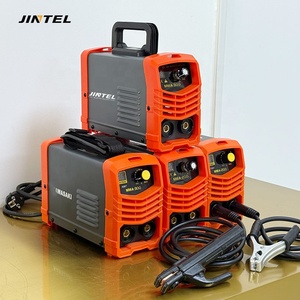
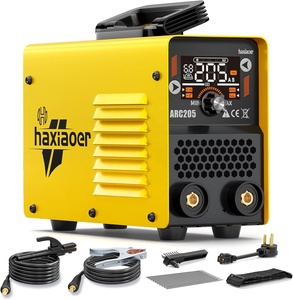
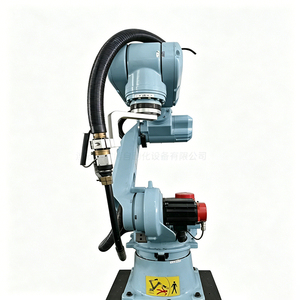
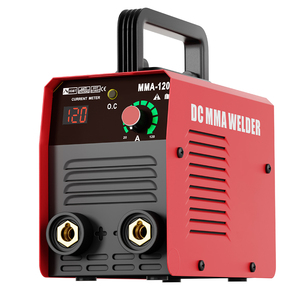
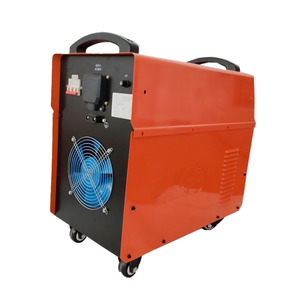
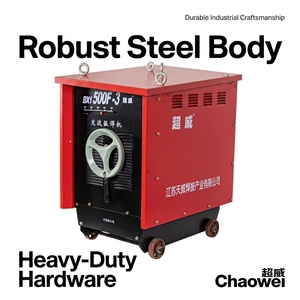
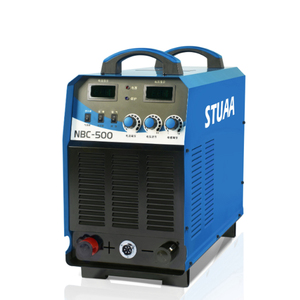
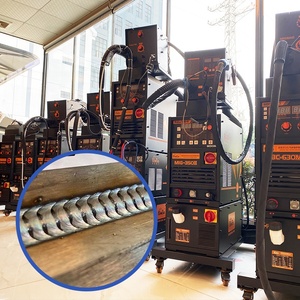
The global industrial welding machinery market is experiencing a profound technological paradigm shift. Moving away from legacy, energy-intensive transformer-rectifier units, heavy fabrication sectors—including shipbuilding, pressure vessel manufacturing, structural steel engineering, forging, and heavy machine shops—are aggressively adopting advanced solid-state IGBT (Insulated Gate Bipolar Transistor) and Silicon Carbide (SiC) inverter power sources.
For enterprise procurement officers, technical directors, and B2B sourcing agents evaluating the Top 10 Welding Equipment Manufacturers and OEM Factories, the purchasing decision is no longer governed solely by nominal amperage capacity. Modern procurement protocols demand a rigorous evaluation of dynamic arc waveform stability, power factor efficiency (>0.93), thermal duty cycle ratings under elevated ambient temperatures (40°C standard), digital synergic interface protocols, and seamless compatibility with industrial robotic automation platforms.
Technical Insight: According to global manufacturing standards (IEC 60974-1 and AWS D1.1), modern inverter-based welding systems reduce line power consumption by up to 35% while increasing deposition rates by 22% compared to traditional electromagnetic AC transformer welders. Selecting a factory with certified SMT (Surface Mount Technology) assembly and automated burn-in testing is crucial for ensuring low Mean Time Between Failures (MTBF).
This whitepaper provides an exhaustive technical benchmark designed to equip industrial procurement teams with the objective criteria needed to analyze equipment manufacturers, understand micro-architectural differences in welding power sources, and predict long-term Total Cost of Ownership (TCO).
When specifying equipment across large-scale manufacturing plants, selecting the right underlying circuit topology dictates operational uptime, electricity tariffs, and operator weld quality. The matrix below contrasts key engineering metrics across standard industrial equipment categories:
| Evaluation Parameter | High-Frequency IGBT Inverter | Heavy AC/DC Transformer (BX1/ZX7) | Synergic Multi-Process Digital |
|---|---|---|---|
| Power Factor Efficiency | 0.92 – 0.95 (Ultra High) | 0.60 – 0.72 (High Losses) | 0.94 – 0.98 (PFC Corrected) |
| Duty Cycle Rating | 60% – 100% @ Rated Amps | 35% – 60% Max Duty Cycle | 80% – 100% Continuous Heavy |
| Dynamic Arc Response | Microsecond Digital Feedback | Millisecond Mechanical Response | Real-time Waveform DSP Control |
| Spatter Index (MIG/MMA) | Low (< 3% Metal Loss) | Moderate to High (> 8% Loss) | Ultra-Low / Zero Spatter Pulse |
| Enclosure Protection | IP21S to IP23 Industrial | IP21 Standard Air Cooled | IP23 Heavy Duty Outdoor Site |
| Robotic Integration (Bus) | Native CANbus / RS485 / DeviceNet | Analog Relay Only (Limited) | EtherNet/IP, Profinet, Modbus |
Strategic equipment sourcing requires analyzing technological roadmaps over a 5 to 10-year horizon. Enterprises investing in plant modernization must align their RFQs (Request for Quotations) with four macro trends currently reshaping the global fabrication industry:
Modern B2B buyers are prioritizing power sources equipped with Digital Signal Processors (DSP). Synergic control algorithms automatically adjust voltage, wire feed speed, and peak pulse current based on wire alloy and shielding gas composition, eliminating operator parameter errors.
Next-generation welding power plants are transitioning from standard IGBTs to Wide Bandgap Silicon Carbide (SiC) MOSFETs. This transition allows switching frequencies exceeding 100 kHz, dramatically reducing transformer core sizes and lowering plant idle idle-state energy losses by over 40%.
With global skilled welder shortages, automated 6-axis articulated robot arms and Collaborative Robots (Cobots) are becoming standardized equipment. Sourcing managers demand digital communication interfaces (Profinet, EtherCAT) pre-integrated into MIG and Submerged ARC power units.
Environmental compliance (ISO 14001) is driving strict regulations on hexavalent chromium and manganese fume emissions. Advanced modified short-circuit waveform technologies (such as Surface Tension Transfer / Cold Arc) reduce hazardous welding fumes by up to 50% at the source.
Established in 1980 by founder Mr. Parag Mashruwala, Parag Electrodes Agencies Pvt. Ltd. (Paragweld) has evolved over four decades into one of India’s premier manufacturers, stocking distributors, and global exporters of industrial welding power sources, specialized electrodes, and automated cutting machinery.
Headquartered in the industrial hub of GIDC Vatva, Ahmedabad, Gujarat, Paragweld operates state-of-the-art manufacturing and testing facilities. The enterprise serves over 5,000 industrial clients across 30+ countries in the Middle East, Southeast Asia, Africa, and Europe, providing tailored OEM/ODM equipment for heavy fabrication, forging shops, steel foundries, pressure vessel fabricators, and machine shops.
Paragweld’s engineering strength lies in rigorous quality assurance: every inverter module, transformer winding, and electronic PCB undergoes environmental chamber stress testing, high-voltage insulation checks, and dynamic load-bank verification prior to global dispatch.
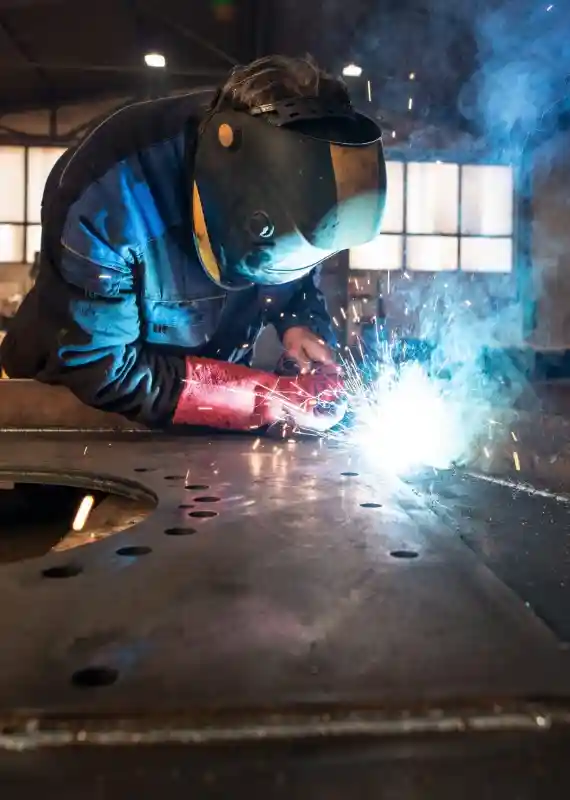



As authorized stockists for industry-leading brands such as Modi Arc Electrodes and D&H Secheron, and as an active member of the Gujarat Chamber of Commerce & Industry (GCCI), Paragweld provides an integrated supply ecosystem—supplying heavy machinery alongside premium SMAW, GMAW, and GTAW filler metals.
Technical guidance addressing critical procurement, voltage stability, duty cycle calculation, and international export compliance questions:
Connect directly with Paragweld's senior engineering team to receive customized machine specifications, OEM price schedules, dynamic load test reports, and export shipping lead times.