Knowledge Hub & Insights
Knowledge Hub & Insights
Direct Factory Export Standards Compliant with AWS A5.17 / A5.23, ISO 14174, and EN Technical Specifications
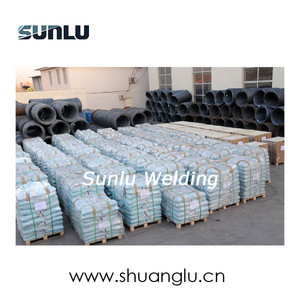
Premium rutile and basic grade mineral flux formulation for high-efficiency SMAW electrode coating and automatic continuous arc stabilization.
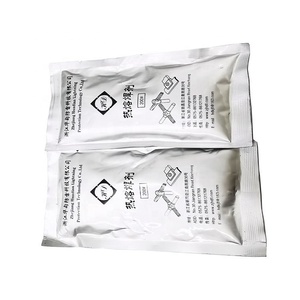
High-purity exothermic reaction powder engineered for permanent molecular copper-to-copper and copper-to-steel electrical grounding bonding.
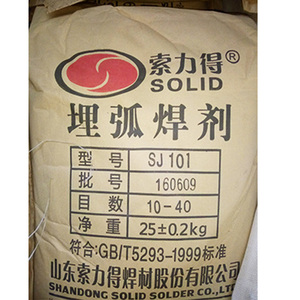
Fluoride-basic and calcium-silicate agglomerated sintered flux optimized for heavy structure, wind tower, and pressure vessel longitudinal seam welding.
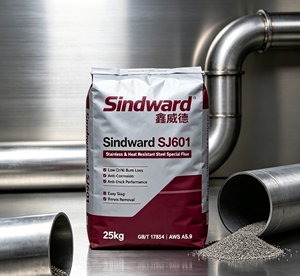
Aluminate-rutile sintered flux designed for high-speed single or multi-wire welding of thin carbon steel plates with exceptional bead appearance.
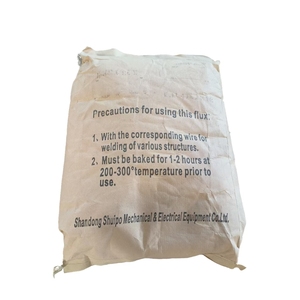
High-manganese, high-silicon, low-fluoride fused slag flux suitable for welding low-carbon steel structures such as ships, boilers, and bridges.
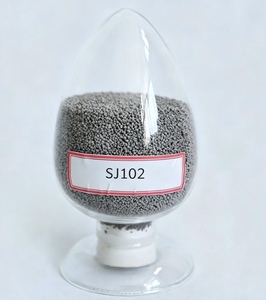
Active formulation containing intense deoxidizing agents (Al, Ti, Zr) for crack-resistant submerged arc surfacing and heavy repair welding.
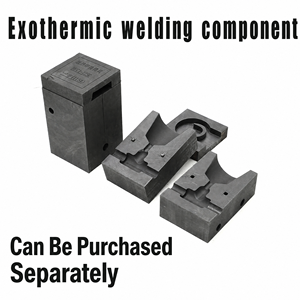
Precision-compounded copper oxide and aluminum powder mixture designed for zero-resistance lightning protection grounding connections.
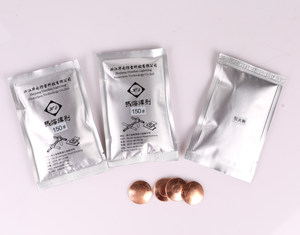
Heavy-duty industrial grade thermite welding flux shots supplied with starting powder for field rail joint splicing and cathodic pipeline bonding.
Comprehensive Engineering Benchmark on Granular Flux Synthesis, Basicity Index Calculation, and Hydrogen Embrittlement Mitigation
Submerged Arc Welding (SAW) remains the foundational process for heavy-section metal joining across global industrial sectors, including naval shipbuilding, pressure vessel fabrication, wind energy tower construction, and cross-country pipeline infrastructure. The granular flux serves not merely as a physical shield isolating the molten weld pool from atmospheric contamination (N2, O2, and moisture), but acts as a dynamic chemical reactor influencing slag-metal equilibrium, element burnout, alloy transition efficiency, and weld metal mechanical properties.
Procurement engineers must evaluate the fundamental manufacturing distinction between Fused (e.g., HJ431) and Agglomerated/Sintered (e.g., SJ101, SJ301, SJ601) submerged arc fluxes:
Manufactured by melting raw mineral oxides (MnO, SiO2, CaF2) in an electric arc furnace at ~1500°C followed by water quenching and granulating. Advantages include zero hygroscopicity, ultra-high particle mechanical strength, and unlimited recycling capability without granule degradation. Ideal for structural carbon steel applications where high current carrying capacity is required.
Produced by dry-mixing fine mineral powders, adding sodium silicate/potassium silicate liquid binders, agglomerating into granules, and baking at low temperatures (400°C - 800°C). Sintering preserves deoxidizers (Al, Ti, Mn, Si) and ferroalloys within the flux matrix, enabling active alloying, low consumption rates, superior slag detachability in narrow gaps, and low diffusible hydrogen control.
Specialized non-SAW flux powders utilizing reduction reaction kinetics between copper oxide (CuO/Cu2O) and powdered aluminum (Al). The exothermic thermite flash reaction produces superheated molten copper (>2200°C) inside a graphite mold, yielding maintenance-free, molecularly bonded electrical grounding connections without external power sources.
The following technical data table outlines key chemical components, operational parameters, and mechanical performance metrics across primary wholesale flux classifications manufactured in China:
| Flux Grade | Manufacturing Process | Basicity Index (B.I.) | Primary Chemical Composition (%) | AWS Classification (With Wire) | Diffusible Hydrogen (HD) | Key Industrial Applications |
|---|---|---|---|---|---|---|
| SJ101 | Agglomerated / Sintered | 2.2 - 2.5 (High Basic) | CaF2: 20-30, Al2O3+MnO: 25-35, MgO+CaO: 25-35 | AWS A5.17 F7A4-EH14 / F7P4-EG | < 4.0 ml/100g | Nuclear vessels, offshore platforms, arctic pipelines |
| SJ102 | Agglomerated / Sintered | 1.8 - 2.1 (Basic) | CaF2: 15-25, Al2O3: 20-30, SiO2: 20-30 | AWS A5.17 F7A2-EM12K | < 5.0 ml/100g | Heavy machinery, bridge structural girders |
| SJ301 | Agglomerated / Sintered | 1.0 - 1.2 (Neutral) | Al2O3+MnO: 35-45, SiO2: 25-35, CaF2: 10-15 | AWS A5.17 F7A0-EL12 / F6A0-EL8 | < 8.0 ml/100g | LPG tanks, structural steel framing, pipe fabrication |
| SJ601 | Agglomerated / High-Speed | 0.7 - 0.9 (Acid/Rutile) | Al2O3+TiO2: 40-50, SiO2: 20-30, MnO: 15-25 | AWS A5.17 F7A0-EL12 | < 10.0 ml/100g | High-speed spiral pipe welding, thin plate seams |
| HJ431 | Fused Glassy Slag | 0.4 - 0.6 (Acidic) | MnO: 38-44, SiO2: 40-44, CaF2: 6-10 | AWS A5.17 F6A0-EL8 / F7A0-EL12 | Non-hygroscopic | Shipbuilding hulls, general boiler manufacturing |
| Thermit Cu Flux | Exothermic Granulated | N/A (Exothermic) | CuO: 65-75, Al: 15-25, CaF2 / Alloys: 5-10 | IEEE 837 / UL 467 Certified | Zero Hydrogen Risk | Substation earthing grids, rail bonding, lightning grids |
Diffusible hydrogen trapped in high-strength carbon and low-alloy steel weld metals is the primary catalyst for cold cracking (delayed hydrogen-assisted cracking). Agglomerated flux granules inherently possess moisture-absorbing silicate binders. Adhering to rigorous re-baking cycles is vital for global B2B end-users:
Market Forecast for High-Efficiency Sintered Formulations, Eco-Friendly Binder Systems, and Automated Multi-Wire SAW Operations
Global fabricators are accelerating transitions toward multi-wire tandem arc (DC + AC + AC) and narrow-gap submerged arc welding to achieve deposition rates exceeding 25 kg/hour. Future wholesale flux procurement demands granular stability that resists crushing inside pressurized automatic flux feed/recovery systems while delivering ultra-easy slag peeling inside deep, narrow grooves with side-wall angles under 5 degrees.
Environmental and occupational health safety regulations (such as EU REACH and OSHA welding fume exposure limits) are driving China exporters to re-engineer flux chemical matrices. New-generation agglomerated fluxes minimize volatile calcium fluoride (CaF2) fume emissions while completely removing hexavalent chromium precursors, safeguarding shop floor air quality without compromising arc stabilization or puddle fluidity.
As structural designs adopt ultra-high yield strength steels (S690QL, S960QL, X80/X100 pipeline grades), flux manufacturers are implementing advanced low-temperature sintering binders and hydrophobic surface treatments. These innovations maintain diffusible hydrogen levels below 2.0 ml per 100g of deposited metal under high ambient humidity conditions, eliminating preheating requirements for thick-walled steel fabrications.
Procurement directors sourcing from China wholesale suppliers should strategically prioritize factories capable of providing consistent grain-size distribution (typically 2.0mm to 0.28mm mesh control), low dust content (<1%), and batch-to-batch chemical homogeneity verified through automated X-Ray Fluorescence (XRF) spectroscopy analysis.
Verified Sintering Metallurgy Expertise, Customized OEM Formulations, and Comprehensive Global Logistics Support
Our facility operates 4 continuous gas-fired rotary sintering kilns alongside automated electric fused furnace lines. With dedicated chemical testing labs equipped with LECO hydrogen determinators and Optical Emission Spectrometers (OES), we guarantee total batch consistency for global B2B distributors.
We provide tailored flux metallurgical compounding to match specific customer wire chemistry (e.g., custom matching for nickel-alloyed wires, duplex stainless steel, or high-manganese structural steels). Our technical team delivers full AWS, ISO, and Class Society approval documentation (ABS, DNV, LR, BV).
Export packaging features multi-layer polyethylene-lined 25kg craft paper bags, sealed aluminum foil moisture-barrier packaging, or 1000kg UV-stabilized bulk jumbo bags with wood palletizing, guaranteeing zero ambient moisture pickup during international ocean transits.
Expert Engineering Solutions to Common Sourcing, Quality Control, and Technical Application Inquiries
SJ101 is a fluoride-basic agglomerated flux with a high Basicity Index (~2.2). It provides exceptional mechanical toughness at low sub-zero temperatures (-40°C), making it suitable for critical pressure vessels, offshore rigs, and heavy structural steel. SJ601 is an aluminate-rutile active flux designed for high-speed single-pass or double-pass welding of thin-walled carbon steel, delivering high travel speeds, low flux consumption, and self-peeling slag.
We utilize high-purity mineral ingredients combined with advanced binder chemistry and high-temperature rotary calcination kilns operating at controlled thermal curves. Finished batches undergo vacuum sealing into heavy-duty moisture-barrier aluminum foil bags. Quality control tests follow ISO 14372 / AWS A4.3 mercury and gas chromatography method standard inspections.
Standard export packaging includes 25kg multi-wall paper bags with plastic liners, 25kg sealed metallic cans, and 1000kg jumbo ton-bags on fumigated pallets. We offer complete OEM private labeling services, including custom bag artwork, branded cartons, and specialized palletization matching your regional distributor requirements.
Cartridge sizing (ranging from 45g to 250g or 300g shots) is dictated by the connection type (e.g., cable-to-cable cross, cable-to-ground rod, or cable-to-steel plate) and the cross-sectional area of the conductors (e.g., 50 mm² vs 240 mm² copper cable). Contact our technical support team with your project connection schematics to receive an exact mold and powder quantity schedule.
Yes, un-melted flux granules collected via vacuum recovery systems can be recycled. However, reclaimed flux must be sieved to remove slag crusts and fine dust particles (<0.2mm) that impair arc ventilation. Virgin flux must be continuously blended with recycled flux at a minimum ratio of 1:1 to maintain uniform chemical composition and grain size distribution.
Our standard wholesale MOQ is 1 Metric Ton per individual flux grade or 20 Metric Tons (one full 20ft FCL container) for mixed batch orders. Production lead times typically range from 7 to 14 working days depending on packaging specifications and testing requirements. Expedited air shipping is available for exothermic thermite supplies.
Connect directly with our metallurgical engineering team to request sample batches, custom flux formulations, or official AWS/ISO compliance certificates.