Knowledge Hub & Insights
Knowledge Hub & Insights
Explore our factory-direct manual stick (MMA), synergic MIG, heavy-duty AC/DC arc welders, and automated robotic systems optimized for premium flux-coated welding electrodes.
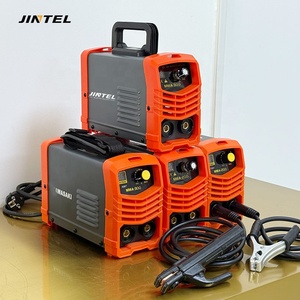
Compact inverter manual metal arc (MMA) welder engineered for E6013 and E7018 stick electrodes. Features anti-stick, hot-start, and arc-force control.
Get Catalog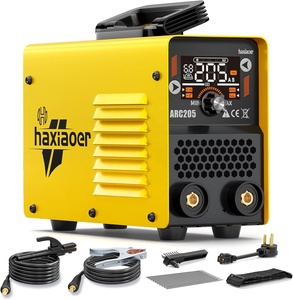
Dual-voltage 110V/220V multi-process welder. Seamless transition between flux-cored MIG and SMAW electrode stick welding with IGBT inverter stabilization.
Get Catalog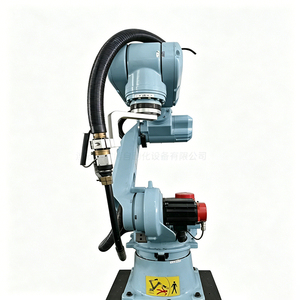
Automated robotic arc welding cell designed for heavy shipbuilding, steel structure workshops, and continuous seam deposition with automated rod feeding interface.
Get Catalog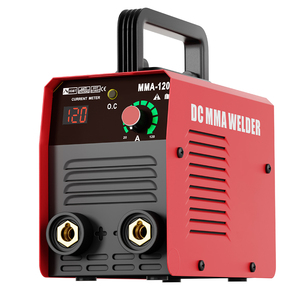
Lightweight, high-efficiency mini stick welding machine for light maintenance and delicate repair operations with mild steel electrodes.
Get Catalog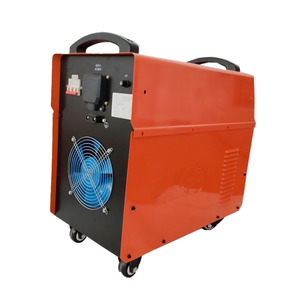
Heavy-duty 630A industrial inverter welder capable of continuous gouging and heavy-gauge electrode burn-off in pressure vessel manufacturing.
Get Catalog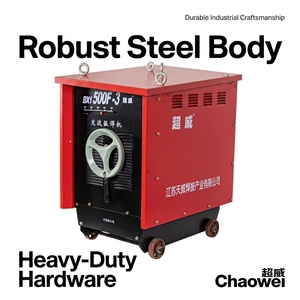
Classic step-less AC transformer welder providing 60% duty cycle at 500A. Built for rugged structural steel shop environments and rutile rod applications.
Get Catalog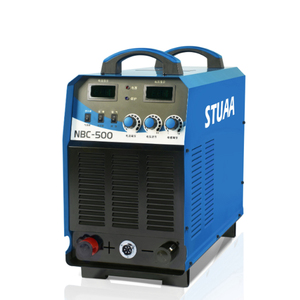
Advanced IGBT module architecture offering soft-switching technology, low spatter rates, and superior penetration depth for thick carbon steel jointing.
Get Catalog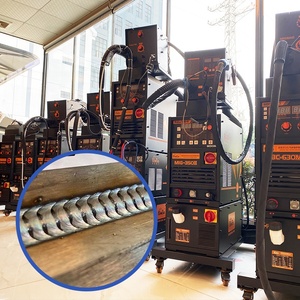
380V multi-functional heavy welding system equipped with external wire feeder, optimized for stainless steel, carbon steel, and structural alloy fabrication.
Get CatalogIn the contemporary B2B heavy manufacturing ecosystem, selecting a qualified China welding electrode manufacturer and factory is no longer merely a purchasing decision based on unit cost per metric ton. It is a critical risk-management strategy directly influencing structural integrity, compliance with international marine classification societies (such as ABS, DNV, LR, and BV), and overall project profitability. The global demand for Shielded Metal Arc Welding (SMAW) consumables—popularly known as welding stick electrodes—is projected to expand significantly, driven by infrastructure investments, offshore wind platform installations, deep-sea shipbuilding, and cross-country pipeline construction.
China has established itself as the world's premier hub for welding consumable production, commanding over 60% of total global electrode extrusion capacity. However, the performance gap between tier-one high-precision factories and low-grade commercial suppliers remains substantial. Industrial buyers must evaluate manufacturers based on flux coating concentricity, core wire chemical purity, moisture-resistant packaging engineering, and batch-to-batch metallurgical stability.
Understanding the chemistry of welding consumables is fundamental for procurement engineers. A stick electrode comprises two primary components: the metallic core wire (typically low-carbon rimmed steel H08A or H08MnA) and the extruded mineral flux coating. The flux coating performs four essential functions during the electrical arc discharge:
Below is a comprehensive technical benchmarking guide comparing the most commonly specified carbon steel, low-alloy, and stainless steel welding electrodes produced by leading Chinese OEM manufacturing facilities.
| AWS Classification | Coating Type | Tensile Strength (MPa) | Yield Strength (MPa) | Impact Energy (J @ °C) | Primary B2B Industrial Application |
|---|---|---|---|---|---|
| AWS A5.1 E6010 | High Cellulose Sodium | ≥ 430 MPa | ≥ 330 MPa | ≥ 27 J @ -29°C | Cross-country oil & gas pipeline root pass welding; vertical-down jointing. |
| AWS A5.1 E6013 | High Rutile Potassium | ≥ 430 MPa | ≥ 330 MPa | Not Specified | General sheet metal fabrication, light structural steel, machinery maintenance, ornamental iron. |
| AWS A5.1 E7018 | Low Hydrogen Iron Powder | ≥ 490 MPa | ≥ 400 MPa | ≥ 27 J @ -29°C | Heavy pressure vessels, nuclear containment structures, high-rise building steel frames. |
| AWS A5.1 E7018-1 H4R | Low Hydrogen Potassium (Moisture Resistant) | ≥ 490 MPa | ≥ 400 MPa | ≥ 27 J @ -45°C | Offshore platform jackets, arctic marine structures, sub-zero pressure piping systems. |
| AWS A5.5 E8018-D1 | Low Alloy High Tensile | ≥ 550 MPa | ≥ 460 MPa | ≥ 27 J @ -51°C | High-strength manganese-molybdenum steel casting repairs and heavy forging die restoration. |
| AWS A5.4 E308L-16 | Rutilo-Basic Stainless Steel | ≥ 520 MPa | ≥ 320 MPa | Not Specified | Chemical processing equipment, AISI 304/304L stainless steel vessel fabrication. |
| AWS A5.4 E2209-16 | Duplex Stainless Steel | ≥ 690 MPa | ≥ 500 MPa | ≥ 34 J @ -40°C | Desalination plants, marine chemical tankers, offshore oil production manifolds (2205 Duplex). |
As global manufacturing shifts toward automation, reduced carbon footprints, and stringent structural safety protocols, Chinese electrode factories are undergoing rapid technological transformations. B2B procurement managers must align their supply chain strategies with these emerging trends:
Development of advanced silicate binders and synthetic flux formulations that minimize moisture pickup, eliminating the need for energy-intensive job site re-baking ovens.
Strict environmental health and safety (EHS) regulations in Western markets are driving the adoption of eco-friendly flux chemistries that cut total welding fume particulate emissions by over 40%.
Leading Chinese factories now embed QR-coded laser markings on individual electrode stubs and vacuum packs, connecting directly to Mill Test Certificates (MTC) according to EN 10204 3.1.
Incorporating high-purity iron powder into E7024 and E7014 electrode flux coatings elevates metal recovery rates up to 160%, drastically boosting weld deposition rates in heavy structural steel shops.
Modern digital IGBT inverter power sources (such as the ZX7-630G and NBC-350 series) feature built-in waveform algorithms specifically calibrated to match the melting rates and droplet transfer characteristics of specialized electrodes.
When evaluating a potential welding electrode factory in China, overseas buyers must implement a rigorous quality verification system to avoid costly field failures, weld porosity, and transit damage.
Ensure the factory conducts batch-level OES analysis of incoming H08A wire rods. Carbon content must be strictly controlled between 0.06% and 0.10%, with Sulfur (S) and Phosphorus (P) impurities capped below 0.025% to prevent hot cracking.
Eccentric flux coating leads to arc wander (fingermoving) and incomplete fusion. High-grade manufacturers utilize hydraulic extrusion presses equipped with online digital concentricity gauges, ensuring wall thickness tolerance within ±0.03mm.
Low-hydrogen electrodes (E7018) require high-temperature baking at 350°C to 400°C for 2 hours in continuous tunnel kilns to drive off chemically bound water from the silicate matrix. Verify oven temperature logs during factory visits.
Request third-party test reports (ABS, DNV, TÜV) for all weld metal deposits. Test samples must pass Class I X-ray radiographic inspection, tensile testing, and Charpy V-notch impact testing at specified sub-zero design temperatures.
For overseas shipping across humid ocean routes, electrodes must be sealed in multi-layer vacuum foil packages (5kg inner boxes, 20kg outer cartons) stacked on heat-treated ISPM-15 compliant wooden pallets wrapped in shrink film.
Building upon over four decades of engineering excellence since 1980, our manufacturing setup combines traditional metallurgical craftsmanship with state-of-the-art automated machinery. Headquartered in GIDC Vatva, Gujarat, India, with direct manufacturing partnerships and OEM supply lines across major industrial zones in China, we deliver an unmatched competitive advantage to global distributors, steel fabricators, and machinery shops.
Our unified product ecosystem spans heavy industrial arc welders, synergic MIG equipment, LGK plasma cutters, submerged arc welding systems (MZ-1250 series), and high-yield SMAW stick electrodes. As authorized stockists and global exporters for premier electrode formulations (including Modi Arc and D&H Secheron standard alignments), we provide end-to-end welding solutions with full technical support.
Deep domain expertise in metallurgical formulation and welding arc physics.
Serving structural steel workshops, shipyards, and pressure vessel builders worldwide.
Strict quality management system covering every batch of wire and flux extrusion.
Streamlined export logistics, LC payments, and containerized ocean shipping.
Get authoritative answers to critical technical, operational, and commercial questions regarding welding electrode selection, storage, compliance, and factory direct ordering.