

Knowledge Hub & Insights
Knowledge Hub & Insights
High-performance inverter power sources, CNC plasma cutters, and synergic MMA/MIG units engineered for heavy fabrication work.

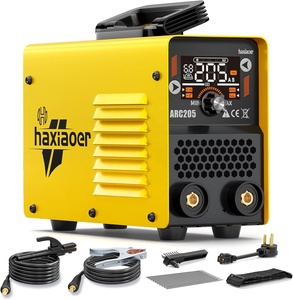
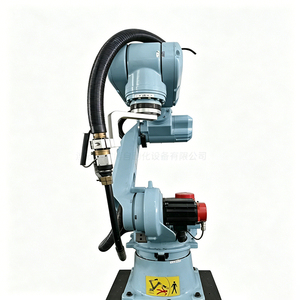
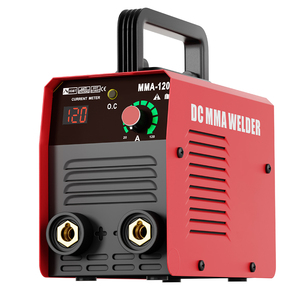
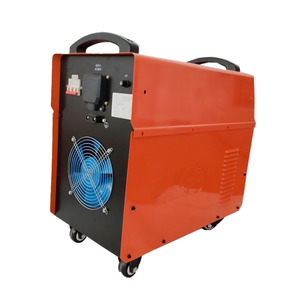
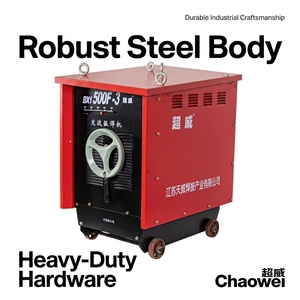
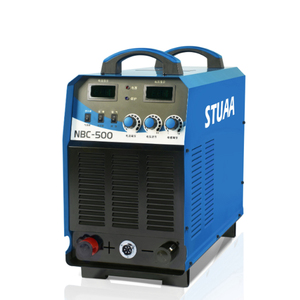
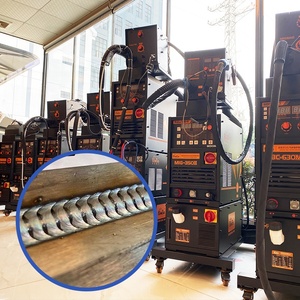
In the global metal fabrication landscape, thermal cutting equipment represents a foundational capital asset. As global infrastructure, pressure vessel manufacturing, aerospace, and heavy shipbuilding expand, international procurement directors are increasingly prioritizing China best plasma cutter factories & exporters to fulfill scalable, cost-efficient, and high-precision cutting machine requirements. China’s manufacturing hubs—concentrated in industrial clusters across Zhejiang, Jiangsu, and Guangdong—produce over 60% of the world's inverter-based Air Plasma Cutters (LGK & CUT Series), CNC Gantry Plasma Systems, and high-definition dual-gas plasma power sources.
Navigating this vast supply landscape requires a granular understanding of thermal cutting physics, power electronics (IGBT vs. MOSFET inverter topologies), gas constriction dynamics, and total cost of ownership (TCO). This comprehensive whitepaper provides B2B buyers, distributors, and engineering procurement teams with an authoritative breakdown of technological advancements, quality audit standards, future procurement trajectories, and supplier selection frameworks.
Information Gain Insight: Modern industrial plasma cutting has evolved from raw severance cutting to High-Definition FineFocus technology. Top-tier factories now incorporate digital Soft-Switching IGBT Inverter modules operating at frequencies up to 50kHz, reducing transformer mass by 70% while improving arc constriction velocity to achieve ISO 9013 Class 3 bevel tolerances on mild steel up to 50mm thickness.
Plasma Arc Cutting operates by passing an inert or active gas (compressed air, nitrogen, oxygen, or argon-hydrogen mixtures) at high velocity through a constricted orifice nozzle. An electric arc formed between an electrode inside the torch and the conductive workpiece ionizes the gas into a superheated plasma state (exceeding 20,000°C), melting the metal while blowing away the molten dross.
Advanced insulated-gate bipolar transistor (IGBT) power switches ensure rapid dynamic arc stabilization, low harmonic grid disturbance, high power factor (>0.93), and consistent voltage regulation during deep plate piercing.
Replacing traditional High-Frequency (HF) spark gap starters, pneumatic blowback electrode retraction eliminates electromagnetic interference (EMI) that can disrupt CNC controllers, PLC sensors, and adjacent automation networks.
Precision-machined copper swirl rings create a helical gas vortex that forces the arc into a tight column. This reduces kerf width, minimizes the Heat Affected Zone (HAZ), and prevents dross accumulation on bottom plate edges.
Selecting the correct thermal cutting methodology is crucial for capital investment efficiency. The matrix below outlines how plasma cutting maintains the optimal balance between capital cost, operational throughput, and material flexibility.
| Cutting Technology | Primary Thickness Range | CapEx (Equipment Cost) | OpEx (Per Meter Cost) | Cutting Speed (12mm Steel) | Edge Quality & Dross |
|---|---|---|---|---|---|
| Inverter Air Plasma (LGK Series) | 1.5 mm – 40 mm | Low to Medium | Very Low (Compressed Air) | Fast (approx. 1,600 mm/min) | Low dross, 1°–3° edge bevel |
| High-Definition Dual-Gas Plasma | 3.0 mm – 80 mm | Moderate | Low (O2 / N2 / H35 Gas) | Very Fast (approx. 2,200 mm/min) | Near-zero dross, ISO Class 3 edge |
| Fiber Laser Cutting System | 0.5 mm – 25 mm | High to Very High | Low to Moderate (N2 / O2) | Ultra-Fast on thin (<6mm) | Square edge, zero dross |
| Oxy-Fuel Flame Cutting | 25 mm – 300 mm | Low | Moderate (O2 + Fuel Gas) | Slow (approx. 400 mm/min) | Heavy dross, wide kerf width |
As global industrial buyers adjust to supply chain shifts and stricter carbon offset policies, leading Chinese plasma cutter exporters are pioneering new equipment standards. Understanding these emerging trends enables buyers to future-proof their machinery investments.
Factories are shifting from stand-alone manual units to CNC-ready power sources equipped with EtherCAT, CANopen, and analog arc-voltage signals. 6-Axis robotic arm integration for 3D pipe beveling and structural I-beam trimming is fast becoming standard in shipbuilding and steel bridge fabrication.
Next-generation export plasma cutters integrate active PFC circuits capable of operating on wide input voltages (90V–560V 50/60Hz). This ensures stability on erratic generator power at remote job sites while reducing grid power consumption by up to 30%.
Smart plasma power sources now embed microprocessors that track electrode erosion, coolant flow rates, air pressure stability, and thermal duty cycles in real time. Predictive maintenance alerts prevent costly torch head blowouts and downtime.
For thick-plate industrial cutting above 200 Amps, air-cooled torches suffer rapid nozzle wear. Leading factories are incorporating dual-channel closed-loop liquid cooling systems, extending consumable lifespan by over 300% under continuous 24/7 duty cycles.
Transitioning away from single compressed air lines, automated gas consoles adjust Nitrogen, Oxygen, and Hydrogen proportions based on plate thickness and material type (stainless steel vs. aluminum vs. carbon steel), eliminating post-cut edge grinding.
Microprocessor-driven control panels allow operators to select plate material, thickness, and torch nozzle diameter. The internal firmware automatically calculates optimum cutting current, gas pressure, and arc delay parameters.
When evaluating quotes from Chinese plasma cutter manufacturers, overseas importers must look beyond initial FOB unit pricing. A rigorous audit of factory engineering capability, quality control protocols, and component sourcing is critical.
Ensure the manufacturer utilizes genuine, industry-grade IGBT modules (e.g., Infineon, Fuji, or IXYS) rather than re-marked low-cost switches. Verify that main power transformers feature 100% pure copper windings with Class H thermal insulation, ensuring heat resistance up to 180°C.
Heavy fabrication shops, shipyards, and outdoor construction sites expose power sources to metal dust, humidity, and rain. Quality exporters build machines with isolated air duct cooling structures (wind tunnel design) and protective conformal PCB coatings, rating enclosures to IP21S or IP23 standards.
Beware of inflated amperage specs. Standard industrial testing requires duty cycle ratings to be calculated at an ambient temperature of 40°C over a 10-minute cycle. A true 100A industrial plasma cutter should deliver 100A continuously at 60% duty cycle or 77A at 100% duty cycle under 40°C ambient conditions.
Confirm that torch connections utilize international standard quick-connect fittings (e.g., Central Euro Connector or Panasonic style) and accept globally accessible consumables (such as P80, AG60, TRAFIMET, or Hypertherm-compatible torches).
Established in 1980, Parag Electrodes Agencies Pvt. Ltd. (Paragweld) has grown from an industrial electrode pioneer into an internationally recognized manufacturer and exporter of full-spectrum metal joining and cutting systems. Operating out of the GIDC Vatva industrial hub in Ahmedabad, India, with strong international OEM manufacturing partnerships, our brand delivers heavy-duty welding machines, inverter plasma cutters, and consumables to clients across 30+ countries.
Our product ecosystem encompasses high-output Synergic MIG/MAG welders, precision Inverter TIG power sources, heavy-duty Submerged Arc Welding (SAW) tractors, LGK Series Air Plasma Cutters, industrial water chillers, and shielded metal arc electrodes. Backed by rigorous ISO-certified quality assurance, every machine undergoes comprehensive full-load burn-in testing prior to international shipment.
State-of-the-art assembly lines equipped with automated PCB wave-soldering, high-voltage insulation breakdown testers, and computerized dynamic load banks ensuring 100% defect-free output.
Streamlined overseas shipping support including custom packaging (fumigated wooden crates/reinforced export cartons), CE/ROHS documentation, LC payment terms, and rapid air/sea freight dispatch.
Full engineering customization including private label brand application, customized chassis colorways, non-standard primary voltage options (e.g., 575V or 200V), and specialized CNC controller interface ports.
Below are technical, commercial, and operational answers to common procurement questions raised by importers, distributors, and engineering contractors.
Clean Cut Capacity refers to the maximum plate thickness where the machine produces a smooth, dross-free edge with a fast travel speed (approx. 250–500 mm/min) requiring no post-process grinding. Severance Cut Capacity represents the absolute maximum thickness the arc can pierce and drop off at very slow speeds, resulting in rougher edges and minor dross. Clean cut capacity is typically 60% to 70% of severance rating.
Moisture, oil droplets, and particulate matter in compressed air drastically reduce nozzle and electrode lifespan, cause internal torch arcing, and result in erratic cutting performance. Industrial installations must always include a multi-stage air filtration system (water separator, oil-coalescing filter, and desiccant dryer) maintaining air pressure between 4.5 to 6.5 bar.
High-Frequency (HF) starting uses a high-voltage spark gap circuit to ionize air. While effective, HF creates high electromagnetic noise (EMI) that can crash nearby CNC tables or computerized machinery. Low-Frequency (blowback) starting mechanically moves the electrode away from the nozzle via air pressure, establishing the arc cleanly without EMI emissions.
Export-grade machines feature auto-sensing dual-voltage input circuits (e.g., 110V/220V 1-Phase or 380V/415V/440V 3-Phase 50/60Hz). Internal power transformers and MOV surge suppressors are engineered to tolerate grid fluctuations of ±15%, protecting the power electronics against voltage spikes common in developing industrial regions.
Standard factory stock models often have low MOQs (5 to 10 units), while fully customized OEM orders (custom brand graphics, specialized enclosures, custom cables) typically require an MOQ of 20 to 50 units. Standard production lead time ranges between 15 to 25 working days post-deposit confirmation.
Arc Voltage THC continuously measures the feedback voltage between the torch electrode and workpiece during cutting. Because arc voltage is directly proportional to torch distance, the THC signals the CNC Z-axis motor to raise or lower the torch dynamically, compensating for warped or un-level steel plates.
For the European Union, machines must comply with CE Low Voltage Directive (LVD 2014/35/EU) and Electromagnetic Compatibility Directive (EMC 2014/30/EU), adhering to EN 60974-1 standards. For North American markets, CSA or UL certification standards are required for electrical safety approval.
We recommend distributors stock a 2% spare parts package alongside initial equipment shipments. This includes main control PCB boards, IGBT driver cards, solenoid valves, HF transformers, and torch assemblies, alongside regular high-wear consumable kits (nozzles, electrodes, swirl rings, and retaining caps).
Partner with an established industrial manufacturer. Contact our application engineering team today to receive wholesale B2B price lists, OEM customization catalogs, and comprehensive equipment datasheets.