
Knowledge Hub & Insights
Knowledge Hub & Insights
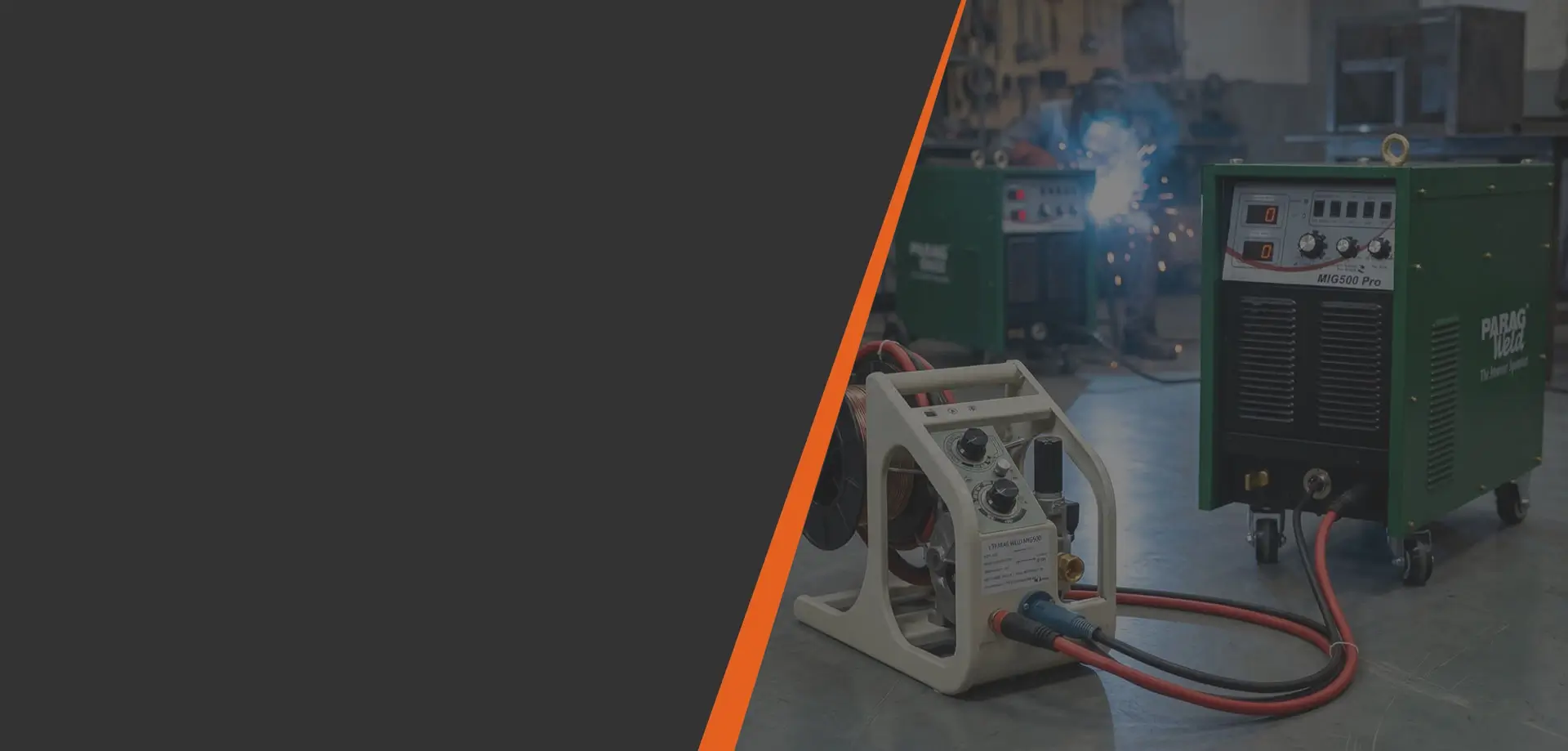
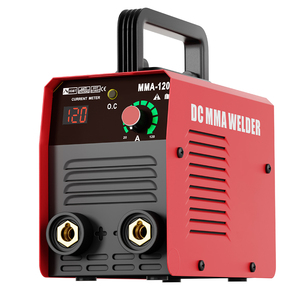
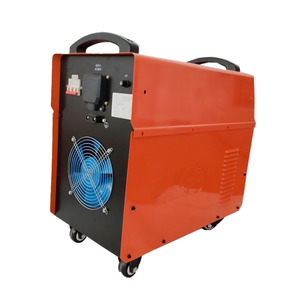
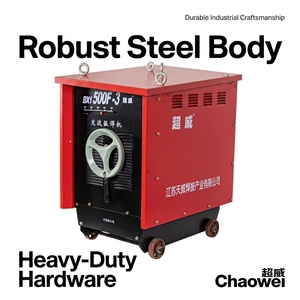
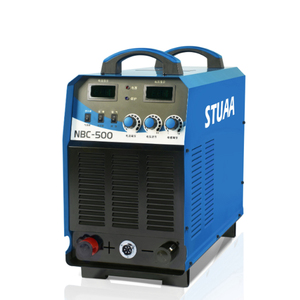
Explore our flagship heavy-duty welding machinery, inverter MMA stick welders, synergy MIG/MAG equipment, and robotic automation cells engineered for international B2B buyers.
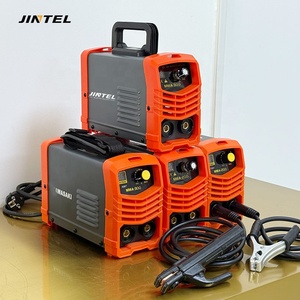
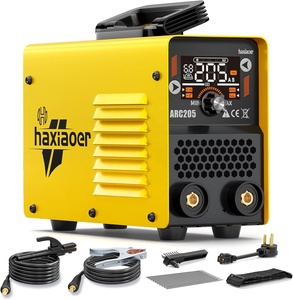
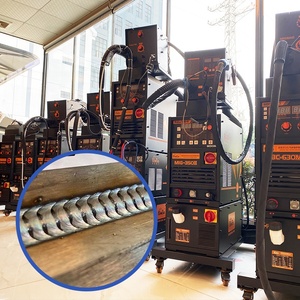
An authoritative technical analysis of China’s fiber laser manufacturing supply chain, optical innovation, and heavy-duty metal processing capabilities.
The global metal processing, automotive engineering, structural fabrication, and shipbuilding sectors are currently undergoing a monumental technological pivot toward ultra-high-precision fiber laser machinery and automated joining solutions. As global manufacturing standards demand tighter tolerances, minimal Heat-Affected Zones (HAZ), and unmatched electrical efficiency, identifying top-tier China best fiber laser manufacturers & factories has become a vital strategic objective for international procurement executives, plant directors, and OEM partners.
Modern industrial fiber laser resonators utilize ytterbium-doped optical fibers pumped by semiconductor laser diodes. This Architecture achieves photoelectric conversion efficiencies exceeding 40–45%, compared to a mere 8–10% in legacy CO2 gas lasers or traditional thermal arc welding systems, radically diminishing operational electricity overhead.
With single-mode fiber configurations producing near-diffraction-limited optical beams ($M^2 \le 1.1$), focused power densities exceed $10^7 \text{ W/cm}^2$. This enables keyhole deep-penetration welding and high-speed narrow-kerf cutting across carbon steel, stainless alloys, brass, and aluminum without structural distortion.



Direct comparative empirical data evaluating key technical metrics across manufacturing speed, power consumption, heat dissipation, and long-term operating costs (TCO).
| Performance Metric | Continuous Wave (CW) Fiber Laser | 3-in-1 Handheld Fiber Laser | Heavy Industrial MIG/MAG Welder | Legacy CO2 Laser System |
|---|---|---|---|---|
| Electro-Optical Efficiency | 40% – 50% | 38% – 42% | 15% – 25% (Thermal) | 8% – 10% |
| Heat-Affected Zone (HAZ) | Ultra-Narrow (< 0.2mm) | Minimal (< 0.5mm) | Extensive (2.0mm – 5.0mm) | Moderate (0.8mm – 1.5mm) |
| Processing Speed (3mm SS) | 8.0 – 12.0 m/min | 3.0 – 5.0 m/min | 0.4 – 0.8 m/min | 2.0 – 3.5 m/min |
| Consumable Overhead | Protective Lens & Gas Only | Nozzles & Wire (Optional) | Welding Wire, Gas, Contact Tips | Laser Gas, Mirrors, RF Tubes |
| Robotic & Automation Fit | Native (EtherCAT / Modbus) | Semi-Automated / Manual | Requires Heavy Manipulators | Complex External Optics |
| Diode / Source Lifespan | 100,000 Hours | 100,000 Hours | 20,000 Hours (Transformer/IGBT) | 15,000 Hours |
Underpinned by 44 years of heavy machinery engineering heritage (since 1980), rigorous quality control protocols, and deep metallurgical expertise.
Every fiber laser cutting bench, 6-Axis robotic arm, and inverter ARC welder passes a mandatory 72-hour full-load burn-in test, interferometer beam calibration, and insulation breakdown check prior to international crate dispatch.
We offer tailored laser power configurations (1kW to 60kW), customized machine bed dimensions (3015 to 12025 formats), enclosed protective gantries, dual exchange tables, and private-label casing designs engineered to your brand standards.
With an established logistics network shipping to over 30 countries across North America, Europe, the Middle East, and Southeast Asia, our technical team delivers remote diagnostics, spare parts delivery, and rapid field engineer dispatch.
Critical industry foresights guiding B2B purchasing managers, factory owners, and engineering executives in future-proofing their machinery investments.
The industrial sector is rapidly migrating from standard 3kW–6kW laser sources toward ultra-high-power 30kW–60kW fiber lasers. These advanced units allow single-pass cutting of carbon steel up to 100mm thick and stainless steel up to 80mm, effectively superseding high-definition plasma and oxy-fuel thermal cutters in heavy shipbuilding, pressure vessel manufacturing, and structural bridge fabrication.
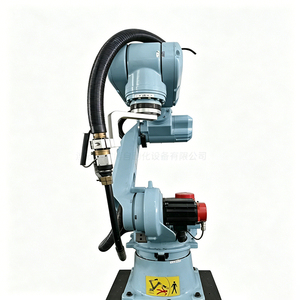
Stand-alone laser cutters are being seamlessly integrated into fully automated Smart Factory cells featuring automated material loading/unloading towers, magnetic sorting arms, and Ethernet-connected 6-Axis articulated robot arms (such as heavy-duty arc and laser welding robots). Factory managers leverage real-time IoT telemetry to track laser diode temperature, protective glass degradation, and gas flow rates.
Handheld fiber lasers combining Welding, Cleaning, and Cutting in a single lightweight ergonomic torch body are replacing traditional TIG and MIG stick welders across mid-scale workshops. Operating at 1.5kW to 3kW, these portable systems enable operators with minimal specialized welding training to produce flawless aesthetic welds with zero post-weld grinding.
Next-generation Chinese fiber laser manufacturing factories are embedding machine-vision algorithms and closed-loop optical sensors directly inside laser processing heads. These intelligent systems analyze melt-pool infrared radiation in real time, automatically adjusting focus position, assist gas pressure, and pulse frequency to eliminate dross, burrs, and seam porosity.
Direct technical answers addressing common purchasing inquiries, factory compliance checks, warranty conditions, and operational parameters.
Contact our senior optoelectronic application engineers to receive comprehensive product catalogs, technical layout drawings, and competitive FOB/CIF B2B quotations.