Knowledge Hub & Insights
Choosing China’s best Metal Casting Repair Welding Machines requires more than comparing prices or advertised power. Repair shops face cracked housings, worn edges, pinholes, and damaged casting surfaces every week. Each defect demands a suitable welding process, stable energy control, and careful heat management.
Experienced technicians usually inspect the casting alloy, crack depth, repair area, and required finish before selecting equipment. Cast iron, aluminum, and steel respond differently under heat. A machine that performs well on aluminum may produce excessive distortion on thin cast iron. That detail is easy to miss.
Reliable manufacturers should provide technical specifications, operator guidance, sample testing, and responsive after-sales support. Look for adjustable current settings, controlled arc stability, practical cooling systems, and compatible welding materials. Clear manuals matter too. They reduce guesswork during urgent repairs.
Real workshop experience is valuable. Ask suppliers for repair demonstrations, sample welds, and test results on similar castings. Examine penetration, porosity, surface cracking, and machining performance after welding. A smooth bead can still hide weak bonding.
No machine is perfect.
Even advanced equipment depends on preparation, operator skill, and correct filler selection. Some suppliers may overstate performance. Independent verification remains necessary.
This guide compares key machine features, repair applications, manufacturer credibility, and purchasing considerations in China. It focuses on usable evidence rather than attractive claims. The goal is practical: helping foundries, maintenance teams, and repair specialists choose equipment that supports durable, repeatable casting repairs. Availability, training, and local service should also influence the final decision.
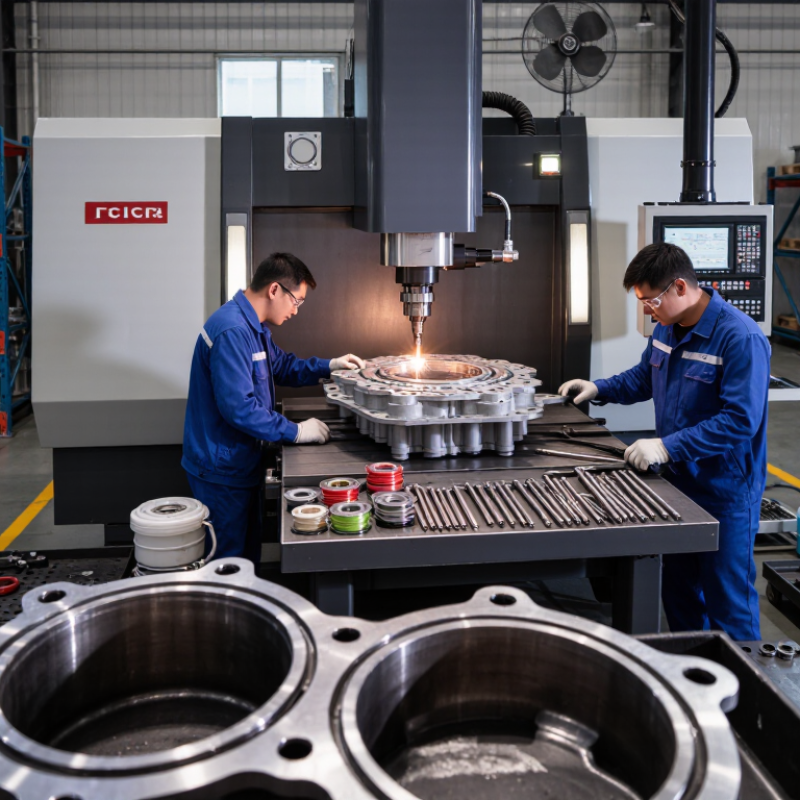
Metal casting repair welding machines are specialized systems for restoring damaged cast iron, aluminum, steel, and other cast components. They deposit compatible metal into cracks, holes, worn edges, or machining errors. Unlike ordinary welding equipment, these machines control heat more carefully. Castings can be brittle and may crack again after sudden temperature changes.
A typical system includes a welding power source, torch, wire or electrode feeder, and adjustable current controls. Some models use pulsed welding to reduce heat input and limit distortion.
Operators often preheat the casting, clean oil from its pores, and remove damaged material before welding. The repair area then receives short weld passes. Cooling must be gradual. It matters greatly.
From practical repair work, surface preparation usually affects results more than maximum machine power. A dirty casting may produce pores, weak bonding, and repeated rework. Selecting the correct filler metal also requires attention to the base alloy, hardness, and later machining needs. I have seen repairs fail when operators trusted appearance alone. A smooth bead is not proof of sound fusion. Inspectors may use visual checks, dye penetrant testing, or dimensional measurement after cooling. Machine settings should be recorded for repeat jobs, although real castings rarely behave perfectly. Some judgment remains necessary.
How Do Casting Repair Welding Machines Work?
Casting repair welding machines restore damaged metal by adding filler material with tightly controlled heat. They usually combine an electrical arc, a wire feeder, and shielding gas. The operator cleans the cavity and removes oil, oxide, and loose particles. The machine then produces a focused arc over the damaged area. Argon or another suitable gas protects the molten pool from air. Pulsed current keeps the heat input low. Short pulses reduce distortion and limit the risk of cracking.
Different cast metals require different settings. Aluminum often needs higher cleaning action and careful heat control. Cast iron may require compatible filler, preheating, and slower cooling. Steel castings usually tolerate a wider welding range, but contamination remains a serious concern. The operator builds the repair in small layers. Each layer cools before the next one is applied. This approach reduces shrinkage and preserves nearby dimensions.
In my workshop experience, preparation decides much of the result. A clean-looking surface can still hide oil inside tiny pores. I have seen attractive welds fail after machining. That mistake was avoidable. Reliable technicians check current, wire size, gas flow, and interpass temperature. They also inspect the repaired area after grinding. Dye testing or dimensional checks can reveal problems that eyesight misses. The best machine is not always the most powerful. Stable output, precise adjustment, and repeatable feeding matter more for delicate casting repairs. Some repairs need patience.
Choosing the best metal casting repair welding machine depends on the defect, alloy, and required finish. The World Foundry Organization’s 2023 World Casting Census reported global casting production above 100 million tonnes. Even a small repair decision affects a massive industry.
For surface porosity and shallow shrinkage, pulsed TIG machines offer controlled heat and clean filler placement. They suit aluminum housings, pump bodies, and thin sections. For longer cracks or repeated buildup, pulsed MIG equipment improves deposition speed. It is practical on larger steel and aluminum castings, but excessive heat can enlarge porosity. That risk is often underestimated.
Deep cracks in cast iron need low-amperage TIG or specialized cold-welding systems. Short welds, peening, and cooling intervals reduce thermal stress. Laser welding machines suit precision repairs on expensive molds and small cavities. Their narrow heat-affected zone limits distortion, according to repair guidance commonly aligned with AWS welding quality principles. Stud-welding equipment works better for broken threads, mounting points, and localized bosses than for long structural cracks. The wrong machine can hide the defect temporarily. It may return after machining or service. ISO 5817 quality levels also remind inspectors that appearance alone cannot confirm weld integrity. In practice, defect mapping and alloy identification should come before machine selection.
This chart compares common repair welding machine types using a practical suitability score from 1 to 5, based on heat control, filler-metal compatibility, precision, and their ability to repair typical casting defects.
Choosing China’s best casting repair welding machine starts with the defect, not the catalogue photograph. Examine crack depth, alloy type, wall thickness, and repair position. A cast iron housing needs different heat control from an aluminum pump body. Ask for weld samples using your actual material. A polished showroom coupon proves little.
According to MarketsandMarkets’ Welding Equipment Market report, the sector is forecast to grow at about 6% annually through 2028. That growth increases equipment choices, but also creates confusion. I would compare pulse stability, current accuracy, duty cycle, and wire feeding performance. For small casting repairs, a machine with precise low-current control can prevent burn-through. For repeated industrial work, thermal management and serviceable torch components matter more. Check whether the supplier provides parameter records, operator training, and spare-part lead times.
Safety and process evidence deserve equal attention. ISO 15614-1 supports procedure qualification for welding processes, while ISO 3834 emphasizes welding quality controls. These standards do not automatically make a machine suitable. Request test reports, calibration records, and a clear warranty. I have seen buyers focus on maximum amperage and overlook arc stability at 30 or 40 amps. That mistake becomes visible around thin edges and machined surfaces. Energy use also matters; the International Energy Agency reports that industrial efficiency remains a major emissions-reduction opportunity. A practical trial, measured repair time, and documented rework rate are stronger evidence than sales claims.
Comparing Chinese manufacturers requires more than checking the lowest quotation. Ask for a complete machine specification, not a sales summary. Confirm welding current range, duty cycle, cable length, cooling method, and electrode compatibility. For cast iron repair, stable low-current control matters near thin edges and old cracks. Request a sample weld on similar castings. Photograph the bead, penetration, and heat-affected area. Small details reveal process discipline.
Visit the factory when possible, or arrange a live video inspection. Look at component storage, assembly benches, grounding points, and final testing records. Reliable makers can explain why each component was selected. Ask how transformers, control boards, clamps, and insulation are tested before shipment. Request serial-number tracking and inspection reports for your exact unit. Do not treat certificates as proof of welding performance. Standards documents help, but practical test results matter more. That distinction is easy to miss.
After-sales support deserves the same scrutiny as the machine. Check response times, spare-part availability, manuals, and remote troubleshooting procedures. Ask whether technicians can diagnose unstable arcs from photos and recorded voltage readings. A serious supplier should state operating limits clearly. Be cautious when every answer sounds perfect. During one evaluation, an unclear duty-cycle definition changed the purchase decision. It was an avoidable mistake. Some comparisons remain incomplete without months of field use. Keep that uncertainty visible in your purchasing notes.
It adds filler metal to a prepared cavity using controlled heat, an electric arc, and shielding gas. The repair grows in small layers.
Shielding gas protects the molten metal from air and contamination. Argon is often suitable, depending on the metal and welding process. Poor gas flow can weaken the repair.
Pulsed current limits heat input and reduces distortion. Short pulses also lower the risk of cracking near delicate edges. Less heat helps.
Remove oil, oxide, loose particles, and hidden contamination from the damaged area. A surface may look clean while pores still hold oil. That is easy to miss.
Yes. Aluminum may need stronger cleaning action and careful heat control. Cast iron may need compatible filler, preheating, and slower cooling. Steel castings usually allow a wider range, but contamination remains dangerous.
Small layers allow each section to cool before the next layer is added. This reduces shrinkage and helps preserve nearby dimensions. Large deposits can create avoidable stress.
Request full specifications, including current range, duty cycle, cable length, cooling method, and filler compatibility. Ask for a sample weld on similar castings. Photos alone may not prove enough.
Check assembly areas, component storage, grounding points, and final testing records. Request inspection documents for the exact machine and confirm serial-number tracking. Certificates help, but practical welding results matter more.
Confirm spare-part availability, manual quality, response times, and remote troubleshooting procedures. Technicians should explain unstable arcs using photos and recorded voltage readings. Support can be slower than expected.
Grind the repaired area and check its dimensions, surface condition, and possible hidden defects. Dye testing can reveal problems that eyesight misses. Some defects appear only after machining.
Metal Casting Repair Welding Machines are specialized systems designed to restore damaged cast components by adding compatible metal to cracks, pores, worn surfaces, and dimensional defects. They typically use controlled heat, precise wire or powder feeding, and adjustable welding parameters to minimize distortion, thermal stress, and secondary machining. Different casting problems require different solutions: fine cracks and small pores may need low-heat precision welding, while larger missing sections or heavily worn areas may require stronger deposition capacity and deeper penetration.
To choose China’s best casting repair welding machine, buyers should evaluate the casting materials, defect size, repair accuracy, heat control, automation level, and compatibility with existing production processes. Comparing Chinese manufacturers requires attention to machine construction, process stability, operator controls, technical documentation, training, spare-parts availability, inspection procedures, and after-sales support. Practical testing with representative castings is also important, because reliable repair quality depends on both equipment performance and the manufacturer’s understanding of casting repair applications.