
Industrial Welding Technology Blog & Knowledge Center — Paragweld

Knowledge Hub & Insights

Industrial Welding Blog & Guides

Explore expert technical articles, equipment operation manuals, maintenance guides, and industrial fabrication insights.

0%

Choosing a China Top LGK Air Plasma Cutter Series 200 Supplier requires more than comparing catalog prices. The real test appears on the workshop floor, where sparks meet uneven steel, dusty air, and long cutting shifts. This introduction examines suppliers through practical performance, technical support, and documented quality controls.

Jim Colt, a recognized plasma-cutting educator, once offered a useful reminder: “Cut quality begins with setup, not the torch.” His point fits the LGK Air Plasma Cutter Series 200 closely. Operators should check compressed-air cleanliness, recommended pressure, electrode wear, cutting speed, and torch alignment. A clean 6-millimeter mild-steel edge can reveal more than a polished product photograph. It can expose unstable air delivery or poor parameter guidance.

Details matter.

A reliable supplier should explain duty cycle, output stability, compatible consumables, CNC integration, warranty terms, and replacement-part availability. Factory inspection records, clear manuals, and responsive technical communication also support buyer confidence. However, the word “top” should not be accepted blindly. It is not a universal ranking. Buyers must compare test cuts, certifications, production experience, and after-sales response.

Some suppliers may promise effortless results. Real fabrication is less perfect. Material thickness changes. Nozzles clog. New operators make mistakes. A trustworthy manufacturer acknowledges these conditions and provides workable solutions. This article will help readers assess China-based LGK Air Plasma Cutter Series 200 suppliers with greater clarity, practical evidence, and a healthy willingness to question impressive claims.
China Top LGK Air Plasma Cutter Series 200 Supplier

LGK Air Plasma Cutter Series: Definition and Core Cutting Principles

LGK Air Plasma Cutter Series: Definition and Core Cutting Principles

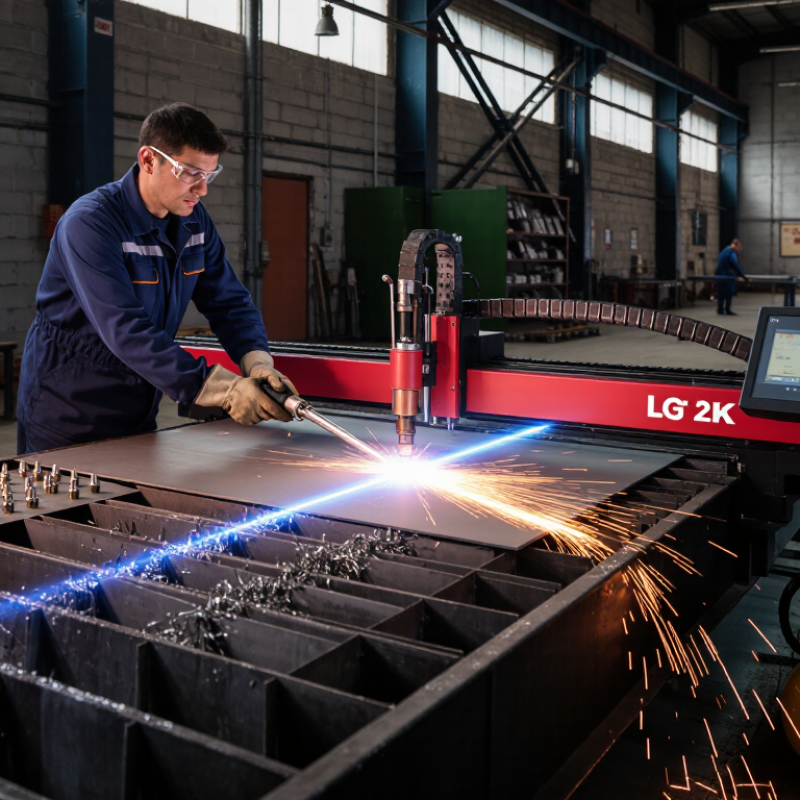
The LGK air plasma cutter series refers to machines that cut conductive metal with an electrically heated plasma arc. Compressed air passes through a narrow torch nozzle. The arc then ionizes the air, creating a high-temperature plasma jet. This jet melts the metal and blows the molten material away from the cut line.

The cutting circuit needs a power source, torch, electrode, nozzle, and reliable work clamp. When the torch approaches the workpiece, an arc forms between the electrode and metal. Air pressure shapes the arc into a focused stream. A stable arc produces a narrower kerf, cleaner edges, and less heat distortion. Cutting current must match the material thickness. Too little power leaves an incomplete cut. Too much power wastes energy and enlarges the kerf.

Practical results depend on more than rated amperage. Operators should check air dryness, pressure stability, nozzle wear, and torch height before cutting. Moisture can damage consumables and make the arc unstable. I have found that a clean grounding point often improves consistency more than expected. The process looks simple. It is not always forgiving. Even experienced users may rush the travel-speed adjustment. A short test cut on scrap metal can reveal poor pressure, excessive dross, or a worn electrode before valuable material is affected. Safety requires eye protection, gloves, ventilation, and careful control of sparks.

China’s Top 200 LGK Air Plasma Cutter Suppliers by Product Range

China’s top 200 air plasma cutter suppliers offer varied product ranges for workshops, construction teams, and automated cutting lines. Their catalogs may include compact 40A machines, 60A workshop units, and heavy-duty systems for thicker steel. Some suppliers focus on portable equipment, while others provide CNC-compatible cutters with torch height control and digital interfaces.

A professional comparison should examine duty cycle, rated output, air pressure, cutting thickness, and consumable availability. In real workshop use, stable arc performance matters more than attractive catalog numbers. I once saw a low-cost cutter perform well on thin sheet but struggle with rusty 12 mm steel. That result was not surprising, yet it was easy to miss. Reliable suppliers should provide test videos, electrical diagrams, inspection records, and clear warranty terms. Ask about replacement torches, electrodes, nozzles, packaging protection, and response times after delivery. Product range is useful, but technical consistency matters more.

Tips: Request sample cutting before placing a large order. Compare clean-cut thickness with maximum severance thickness. Check whether the power supply matches your local voltage. Ask for recent inspection photos. A missing detail can become an expensive delay. Suppliers that explain limitations honestly often deserve closer attention.

China Top LGK Air Plasma Cutter Series 200 Supplier - China’s Top 200 LGK Air Plasma Cutter Suppliers by Product Range

Rank Anonymous Supplier Record Product Range Rated Output Typical Mild-Steel Cut Input Supply Rated Duty Cycle Recommended Air Pressure Common Application Manufacturing Region
Technical values are standardized category ranges commonly used for air-plasma cutter classification. Supplier identities are intentionally anonymized, and supplier-specific specifications, certifications, availability, and rankings should be independently verified before procurement.

Key Specifications for Comparing LGK Plasma Cutting Machines

When comparing LGK plasma cutting machines, start with rated output current and usable cutting thickness. A 40A model may handle thin steel efficiently, while thicker plate needs higher amperage. Check both recommended and maximum thickness. Maximum figures often assume slow travel and clean material.

Input voltage matters in workshops with unstable power. Compare single-phase or three-phase requirements, rated power, and operating frequency. Duty cycle is equally important. A 60% duty cycle at 40°C means six minutes of cutting within ten minutes. Also examine compressed-air pressure, airflow, and filtration needs. Moisture can damage consumables and produce rough edges.

I once judged a cutter by amperage alone. That was a poor comparison.

Tips:

Test machines on your actual steel. Watch arc stability, kerf width, piercing speed, and slag during a continuous cut. Record results with the same air pressure and torch height. Ask for verified test data, not only catalog claims. Pilot-arc performance is useful for painted or rusty surfaces, but it can increase consumable wear. Check torch cable length, replacement nozzle availability, CNC compatibility, thermal protection, and service response. A clear warranty is valuable, though warranty terms still require careful reading. Safety features should include overheat protection, proper grounding guidance, and reliable airflow detection. Consider total operating cost, not just the purchase price.

Manufacturing Standards, Quality Control, and Supplier Capabilities

China Top LGK Air Plasma Cutter Series 200 Supplier

A dependable air plasma cutter supplier should show process evidence, not only polished catalog photos. For Series 200 equipment, review welding procedures, incoming inspection records, and calibration logs. IEC 60974-1 defines safety and performance requirements for arc-welding equipment. ISO 9013 also classifies thermal-cut edge quality. These standards help buyers compare cutting results across factories. The ISO Survey 2022 recorded 1,265,216 ISO 9001 certificates worldwide, yet certification alone cannot prove stable production.

Quality control should follow the machine’s real working path. Inspect transformers, torches, air regulators, cooling fans, and circuit boards separately. A practical supplier can provide batch traceability, load testing, insulation checks, and sample-cut videos with measured kerf width. Ask for test results at different steel thicknesses. Noise, duty cycle, and compressed-air pressure deserve attention. One weak point remains: factory tests may use cleaner power than the customer’s workshop. That difference can expose problems later.

Tips: Request three recent inspection reports. Check whether serial numbers match test records. Confirm spare-part availability and response time. Ask for a live cutting trial. A reliable supplier should explain failures honestly, including low-air alarms, unstable arcs, and consumable wear. Perfect claims deserve reflection. Real equipment has limits.

China Top LGK Air Plasma Cutter Series 200 Supplier - Manufacturing Standards, Quality Control, and Supplier Capabilities

This brand-neutral industry reference compares typical clean-cut and maximum-severance capabilities across common air plasma cutter output classes. Supplier evaluations should also verify compliance with IEC 60974-1, electromagnetic compatibility requirements under IEC 60974-10, ISO 9001 quality-management practices, incoming-material inspection, in-process testing, final load testing, and complete product traceability. Actual performance varies by material type, thickness, air pressure, consumables, and operating conditions.

How to Select and Purchase an LGK Air Plasma Cutter from China

How to Select and Purchase an LGK Air Plasma Cutter from China

Selecting an LGK air plasma cutter requires more than comparing online prices. Check the material thickness, cutting speed, input voltage, and rated duty cycle. A workshop cutting six-millimeter steel needs different capacity than a repair team handling thin sheet metal. Ask the supplier for a clear specification sheet and a cutting test using your material.

Supplier verification matters. Review factory photos, production records, export experience, and independent customer feedback. Request a live video test, not only edited images. Confirm whether the package includes a torch, ground clamp, air filter, spare electrodes, and manuals. Small missing parts can delay installation for days. That has happened to many buyers.

Before payment, discuss sample orders, inspection methods, packaging, delivery terms, and replacement procedures. A wooden case or reinforced carton can protect the machine during long transport. Confirm compatibility with your local power supply and applicable electrical safety requirements. Ask about compressor pressure and air purity, because wet air quickly damages consumables. I would avoid choosing only by the lowest quotation. My checklist is useful, but it can still miss hidden service delays. Write every technical promise into the purchase agreement, including response times and warranty conditions. Test the delivered cutter immediately, while evidence remains easy to collect.

FAQS

What factors should I compare when selecting an air plasma cutter?

Compare rated output, duty cycle, air pressure, cutting speed, and recommended material thickness. Catalog numbers can mislead. Stable arc performance matters during real cutting, especially on rusty steel.

How can I match the cutter to my work?

Identify your usual material, thickness, and cutting frequency. A repair team cutting thin sheet needs less capacity than a workshop cutting six-millimeter steel. Consider future jobs too, but avoid buying excessive capacity without a clear reason.

What is the difference between clean-cut thickness and maximum severance thickness?

Clean-cut thickness produces smoother edges and better accuracy. Maximum severance thickness may leave rough, angled, or incomplete cuts. Ask for both measurements, preferably from a test using your material.

Should I request a cutting test before placing a large order?

Yes, request a sample cut or live video demonstration. Use your actual material when possible. A low-cost machine may cut thin sheet well but struggle with rusty 12-millimeter steel.

How can I verify a supplier before purchasing?

Request factory photos, production records, inspection documents, and independent customer feedback. A live video test is stronger evidence than edited images. Still, verification is imperfect.

Which accessories and replacement parts should the package include?

Confirm the torch, ground clamp, air filter, spare electrodes, nozzles, and operating manual. Ask about replacement torches and consumable availability. One missing small part can delay installation for several days.

How should I check electrical and air-supply compatibility?

Confirm the machine matches your local voltage and electrical safety requirements. Check compressor pressure and air quality before operation. Wet air damages electrodes and nozzles quickly.

What should I confirm before payment and after delivery?

Discuss sample orders, inspection methods, packaging, delivery terms, warranty conditions, and replacement procedures. Record every technical promise in the purchase agreement. Reinforced cartons or wooden cases can reduce transport damage. Test the cutter immediately after arrival, while evidence is easy to collect.

Conclusion

The LGK Air Plasma Cutter Series 200 is designed for efficient, precise, and economical metal cutting in workshops, fabrication facilities, maintenance operations, and construction environments. This article explains its working principles, including how compressed air is transformed into a high-temperature plasma arc that melts and removes conductive materials. It also reviews China’s top 200 suppliers by product range, covering different cutting capacities, power configurations, portability options, and applications.

To support informed purchasing, the guide compares key specifications such as cutting thickness, rated output, duty cycle, air pressure, cutting speed, torch design, consumable life, and safety features. It further discusses manufacturing standards, quality-control procedures, testing practices, customization capabilities, production capacity, technical support, and after-sales service. Finally, readers will learn how to evaluate suppliers, verify product consistency, request samples or documentation, compare total costs, and select an LGK Air Plasma Cutter that matches their material requirements, operating environment, budget, and long-term maintenance needs.

Oliver

Oliver

Oliver is a seasoned marketing professional with a strong understanding of product strategy, customer needs, and digital communication. As a valued member of our company, he combines market insight with practical product knowledge to create clear, useful, and engaging content for our website.......
Chat on WhatsApp