Industrial Welding Technology Blog & Knowledge Center — Paragweld

Knowledge Hub & Insights

Industrial Welding Blog & Guides

Explore expert technical articles, equipment operation manuals, maintenance guides, and industrial fabrication insights.

0%

Choosing a Submerged ARC Auto Welder is not simply a matter of comparing price, amperage, or advertised speed. The right machine must match production volume, plate thickness, joint design, flux handling, and operator capability. A large fabrication shop may need a heavy-duty system for long seam welding. A smaller workshop may gain more from flexible controls and simpler maintenance. The difference can appear beside the weld: stable arc penetration, cleaner slag removal, and fewer rejected joints.

Industry data makes this decision more important. The American Welding Society’s Welding Workforce Data highlights a projected shortage of approximately 330,000 welding professionals in the United States by 2028. Automation can reduce repetitive workload, but it cannot correct poor setup or unsuitable equipment. MarketsandMarkets’ welding equipment research also identifies automation, productivity, and advanced process control as continuing market drivers. These trends support investment, but they do not guarantee a good result. Reports often describe market direction, not your workshop’s real floor conditions.

This guide presents seven practical tips for selecting a Submerged ARC Auto Welder. It examines welding current stability, travel speed, flux recovery, control systems, safety features, service support, and total operating cost. A machine may look powerful on paper. Yet its feeder may struggle with daily dust, or its control panel may slow inexperienced operators. That matters. Test the system with your actual material and joint configuration whenever possible. No checklist replaces a weld test. Careful selection remains imperfect, but measured trials can expose expensive mistakes before installation.
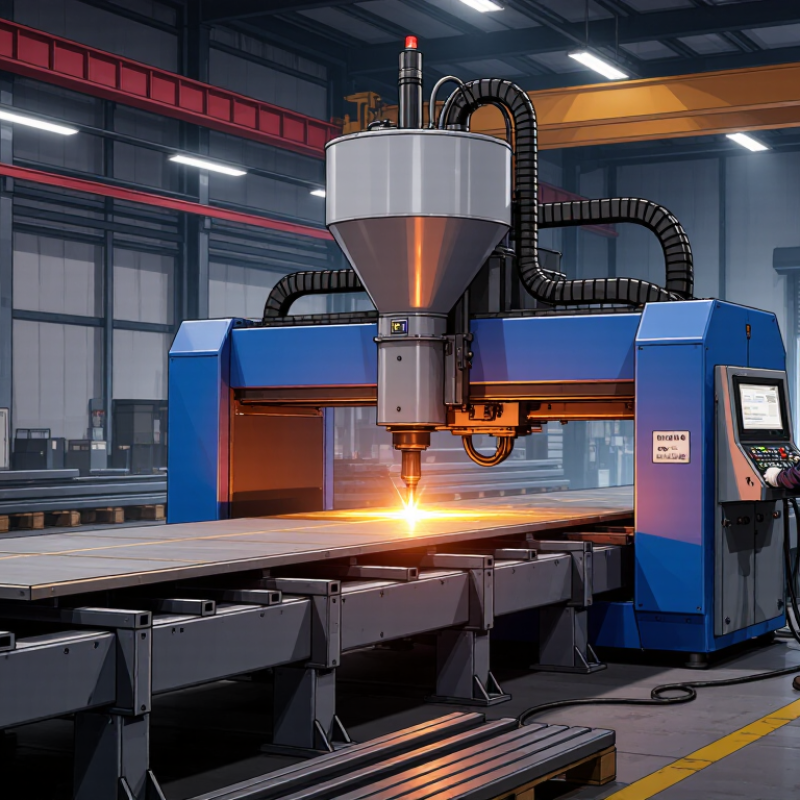
7 Tips for Choosing a Submerged ARC Auto Welder?

Define Submerged ARC Welding Scope: Plate Thickness, Joint Type, and Position

Tip 1: Define the plate thickness range before comparing any submerged ARC auto welder. Thin sheet may need lower current and tighter heat control. Heavy plate requires greater capacity, stable wire feeding, and sufficient flux delivery.

Tip 2: Examine the joint design carefully. Butt joints, fillet welds, lap joints, and narrow grooves each demand different wire sizes, travel speeds, and flux behavior. A machine suited for long butt seams may perform poorly on short fillet welds.

Tip 3: Measure the actual joint gap and preparation. Varying gaps can cause burn-through, incomplete fusion, or excessive reinforcement. I have seen accurate machines produce poor welds because the joint preparation was inconsistent.

Tip 4: Confirm the welding position. Submerged ARC welding works most reliably in flat positions, with some systems supporting horizontal work. Vertical and overhead joints usually require another process or specialized equipment. Position limits are easy to overlook.

Tip 5: Match the machine’s duty cycle to production demands. Occasional repairs need different capacity than continuous welding on large structural plates. A useful machine should remain stable after several long passes.

Tip 6: Check flux recovery and wire control. Clean flux improves visibility, reduces waste, and supports repeatable coverage. Uneven wire feeding can create irregular bead shapes, even when voltage settings look correct.

Tip 7: Test a representative sample before purchase. Use the same thickness, joint type, position, and consumables planned for production. One laboratory-style test may not reflect workshop conditions. That mistake deserves more attention.

Match Current, Voltage, and Wire Size to Deposition Rates up to 20 kg/h

7 Tips for Choosing a Submerged ARC Auto Welder

Match Current, Voltage, and Wire Size to Deposition Rates up to 20 kg/h

Start with the weld. Define plate thickness, joint design, and required deposition rate before comparing machines. A target of 20 kg/h demands substantial wire feed speed, stable power, and a suitable duty cycle. Do not select a welder from output figures alone.

Check current against wire diameter and material thickness. Larger wires can carry higher current and deposit more metal, but they also need stronger feeding equipment. Confirm the voltage range carefully. Excessive voltage may widen the bead and increase flux consumption. Low voltage can create poor fusion and an unstable arc. These details matter.

Choose a control system that adjusts wire speed and travel speed smoothly. A reliable machine should maintain consistent penetration during long welds. Review its duty cycle at the actual operating current, not at a lower test value. Inspect flux delivery and recovery options. Clean, dry flux supports repeatable results. Moisture can quietly damage weld quality.

I once trusted a catalog chart too quickly. The trial weld exposed uneven bead shape at higher speed. A test coupon is essential. Measure bead size, penetration, wire consumption, and heat input. Ask for calibration records and service guidance. Keep spare contact parts available. Small interruptions become expensive during heavy production. Leave room for adjustment; the best setting may not match the first calculation.

Verify Duty Cycle, Amperage, and Thermal Capacity for Continuous Operation

Choosing a submerged ARC auto welder requires more than checking its maximum amperage. Continuous production exposes weaknesses quickly. Duty cycle, amperage, and thermal capacity must work together.

Tip: Check the rated duty cycle at your actual welding current. A machine rated at 100% duty cycle near 600 amps may perform differently at higher output. Read the test conditions carefully. Ambient temperature matters too. In a warm workshop, cooling performance can decline. Leave ventilation space around the cabinet, and inspect fans and filters regularly.

Tip: Match amperage to your real welding schedule, not your occasional peak. Heavy plate may require high current, but excessive output can overheat cables, contact tips, and internal components. Thermal capacity shows how well the welder stores and releases heat during long welds. Look for temperature protection, clear alarm signals, and accessible maintenance points.

I once focused too much on rated output and overlooked cable heating. That mistake caused pauses during a long seam. The lesson was simple: measure temperatures after a realistic production cycle. Check the power supply, grounding, travel speed, and flux delivery together. A stable weld may still hide rising heat. Keep records from test runs. They reveal patterns that specifications cannot. Some calculations may be imperfect, especially when workshop conditions change. Recheck them before approving the machine for continuous operation.

7 Tips for Choosing a Submerged ARC Auto Welder: Duty Cycle, Amperage, and Thermal Capacity

This planning chart shows the approximate welding output and electrical thermal load for common submerged arc welding current levels. Thermal load is estimated from Power = Voltage × Current, using a representative 32 V arc voltage. For continuous production, select equipment whose rated duty cycle and thermal capacity meet or exceed the required operating point, with appropriate allowance for ambient temperature, cable losses, and cooling conditions.

Evaluate Flux Delivery, Recovery, and Weld Quality to ISO 5817 Standards

7 Tips for Choosing a Submerged ARC Auto Welder?

Evaluate Flux Delivery, Recovery, and Weld Quality to ISO 5817 Standards

An automatic submerged arc welder should be judged beyond travel speed. Start by checking flux delivery consistency across the full operating range. Uneven coverage can expose the arc, trap slag, and distort bead shape. Inspect the hopper, metering wheel, hose, and nozzle. Small blockages matter.

Ask how accurately the system recovers unused flux. A strong recovery unit separates slag and dust without returning contaminated particles. Measure recovered flux moisture and particle size before reuse. Keep a simple batch record. It should not be neglected.

Run test welds using the intended plate thickness, joint design, wire size, and flux condition. Watch amperage stability, arc voltage, penetration, undercut, porosity, and slag removal. A bright, smooth bead is not enough. Section a sample when practical. Compare imperfections with ISO 5817 quality levels, and involve a qualified welding inspector.

Ask for calibration records, maintenance intervals, alarm history, and repeatability data. Test after a cold start, not only after the machine warms up. Automation reduces variation, but it does not remove judgment. I would also challenge one assumption: higher deposition is not always better. Excess heat can increase distortion and make acceptance harder. Reliable equipment proves itself through repeated coupons, clear records, and stable results, not impressive specifications alone.

Compare Automation, Safety Controls, Service Support, and Total Ownership Cost

Choosing a submerged ARC auto welder requires more than comparing welding speed. Start with automation depth. Check whether the system supports seam tracking, automatic flux recovery, parameter recipes, and production data logging. The International Federation of Robotics reported 541,302 industrial robots were installed worldwide in 2023, showing how quickly manufacturers are adopting automated control. Still, automation without stable calibration can create expensive defects.

Safety controls deserve equal attention. Look for enclosed arc zones, emergency stops, guarding, overload protection, and clear interlocks. Flux handling also matters because spills can affect footing and weld consistency. OSHA requires employers to control welding fumes and protect workers from related hazards. A practical trial should measure visibility, noise, heat, and access around the operator station. Paper compliance is not enough.

Service support often decides the real cost. Ask about commissioning, operator training, spare-part availability, remote diagnostics, and response times. Calculate total ownership cost using power, flux, wire, maintenance, downtime, and labor—not only the purchase price. Deloitte’s 2023 Smart Manufacturing survey found that 86% of manufacturing leaders considered smart manufacturing important for competitiveness. That does not guarantee payback. I would request a production test with your actual plate thickness and joint design. Some quoted efficiencies may look impressive, but they can weaken when setup changes, quality checks, or recovery time are included. A cheaper machine can become costly when one missing sensor stops a full shift.

FAQS

What plate thickness should a submerged arc welder handle?

Define the real thickness range before comparing machines. Thin sheets need lower current and careful heat control. Heavy plates need stronger wire feeding and flux delivery. One machine may not suit both extremes.

Which joint types can these welders handle?

Butt, fillet, lap, and narrow-groove joints require different settings. Wire size, travel speed, and flux behavior can change significantly. A system built for long butt seams may perform poorly on short fillets.

Why does joint preparation matter so much?

Measure the actual gap and groove preparation. Uneven gaps can cause burn-through, incomplete fusion, or excessive reinforcement. Small differences matter. I have seen accurate equipment produce poor welds because preparation was inconsistent.

Which welding positions are suitable?

Submerged arc welding works most reliably in flat positions. Some systems support horizontal welding. Vertical and overhead work usually needs another process or specialized equipment. Position limits are easy to overlook.

How can flux delivery affect weld quality?

Inspect the hopper, metering wheel, hose, and nozzle. Uneven flux coverage may expose the arc or trap slag. Small blockages matter. Clean flux supports smoother beads and more consistent coverage.

What should be checked in flux recovery?

Check whether recovery separates slag and dust before reuse. Measure recovered flux moisture and particle size. Keep simple batch records. Reused contamination can weaken consistency, even when settings look correct.

How should a machine be tested before purchase?

Weld a representative sample using production thickness, joint design, wire, and flux. Test the actual welding position. Watch penetration, undercut, porosity, slag removal, and arc stability. One laboratory test is not enough.

Which safety and service features deserve attention?

Look for emergency stops, guarding, overload protection, and clear interlocks. Check operator access, noise, heat, and flux spills. Ask about training, spare parts, diagnostics, and response times. Paper compliance is not enough.

How should total ownership cost be calculated?

Include power, wire, flux, maintenance, labor, and downtime. Consider calibration and recovery time too. Higher deposition is not always better. Excess heat may increase distortion and inspection problems.

Does more automation guarantee better results?

Automation can support seam tracking, recipes, flux recovery, and production records. It cannot replace calibration or welding judgment. Test several repeated coupons. Impressive specifications may weaken when setup conditions change.

Conclusion

Choosing the right Submerged ARC Auto Welder requires more than comparing machine prices. Start by defining the welding scope, including plate thickness, joint configuration, and welding position. Then match the power source, voltage, current, and wire diameter to the required deposition rate, especially for applications approaching 20 kg/h. For continuous production, carefully review duty cycle, maximum amperage, cooling performance, and overall thermal capacity to ensure stable operation without excessive downtime.

Flux management is equally important. Evaluate flux delivery consistency, recovery efficiency, storage, and contamination control, while confirming that the resulting weld quality can meet ISO 5817 requirements. Finally, compare automation functions, operator safety controls, maintenance accessibility, technical support, spare-part availability, and total ownership cost. A well-selected system should provide reliable arc performance, consistent weld quality, efficient material use, and practical long-term value for the intended production environment.

Amelia

Amelia

Amelia is a dedicated marketing professional with a strong understanding of the company’s products, services, and customer-focused solutions. With a background in strategic communication, market research, and content development, she helps translate complex product features into clear, practical......
Chat on WhatsApp